
If you are weighing up a tooth extraction in Turkey, you are probably trying to work out what the procedure involves and how treatment is planned when you travel for it. We get this question almost every week at our clinic in Antalya. The honest answer is that extraction is one of the more straightforward procedures we carry out, recovery is usually quick, and the planning is simpler than most people expect. Below we cover when a tooth needs to come out, what the procedure feels like, what shapes the cost of a case, and aftercare.
When Is Tooth Extraction Necessary?
Pulling a tooth is never our first choice; whenever we can, we keep your own teeth in place. But there are situations where removal is the sensible option:
- Severe decay that has reached the nerve and cannot be restored with a filling or crown.
- Advanced gum disease that has loosened the tooth in its socket.
- A cracked or broken tooth below the gum line.
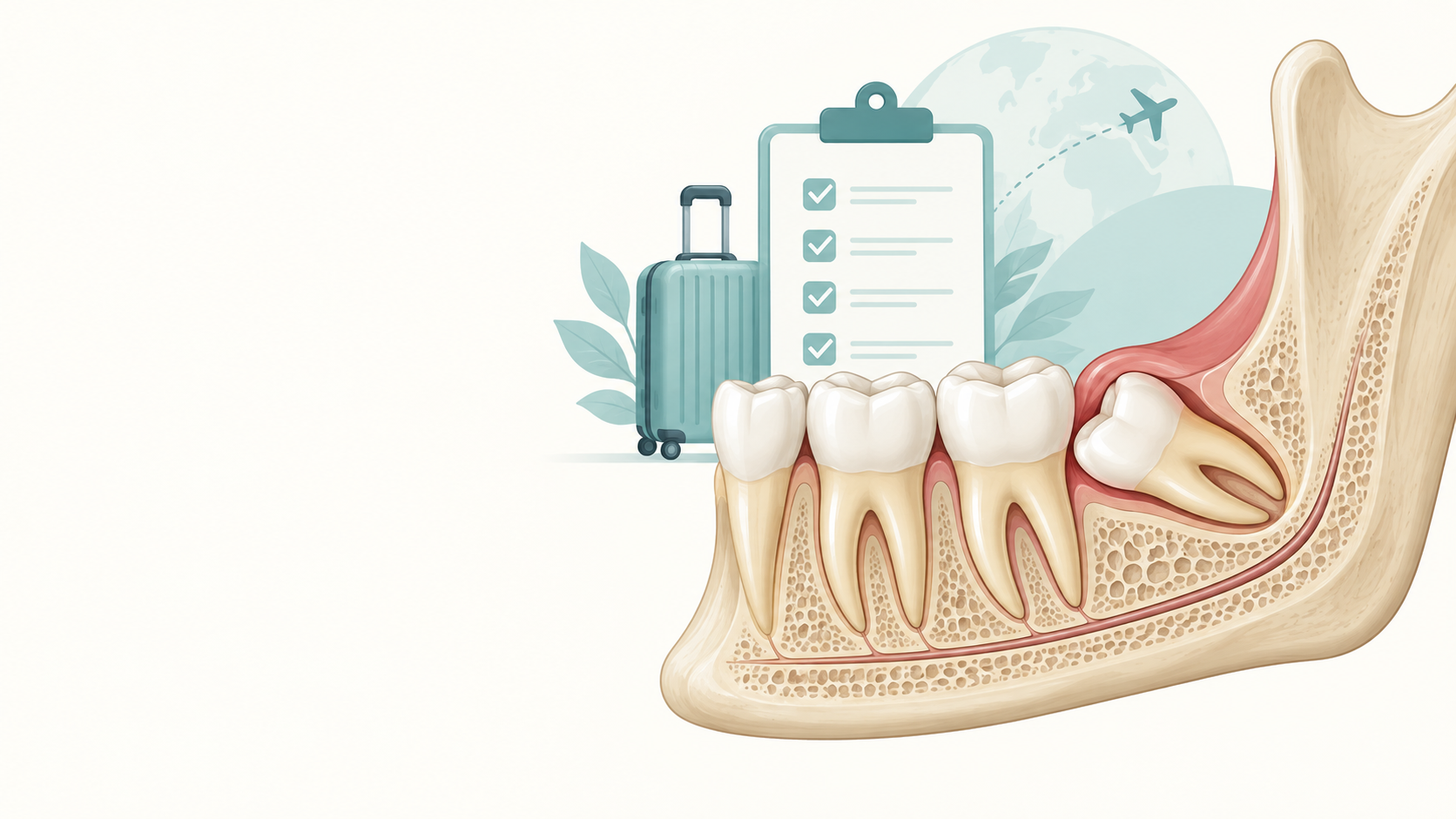
- Impacted wisdom teeth pressing on neighbouring teeth.
- Crowding, where a tooth is removed before orthodontic treatment.
- Infection or an abscess that has not settled with other treatment.
One point we always raise in consultation: if the tooth still has a healthy root, saving the tooth with root canal treatment instead may be possible. Extraction is irreversible, so it is worth checking whether the tooth can be rescued first. We assess this with a clinical exam and an X-ray.
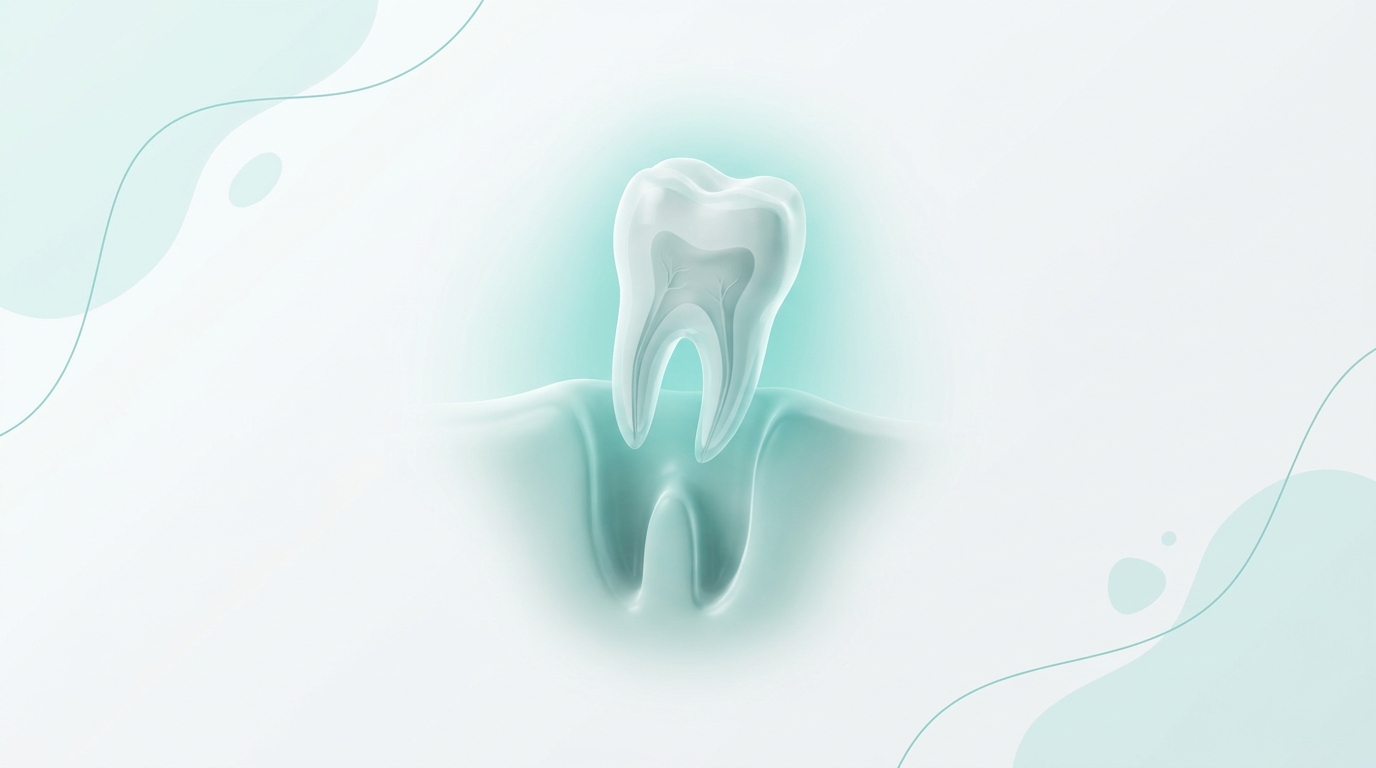
Types of Tooth Extraction
Not every extraction is the same. The procedure depends on how the tooth sits in the bone and gum, which affects the technique and the cost.
Simple Extraction
This is the most common kind. The tooth is fully visible above the gum, so we loosen it gently and lift it out under local anaesthetic. Most people are surprised by how quick it is. A few minutes of pressure, and it is over.
Surgical Extraction
When a tooth has broken at the gum line, has curved roots, or has not erupted properly, we use a surgical approach. This usually involves a small gum incision and, sometimes, removing a little bone. It sounds more daunting than it feels: you are numb throughout, and we close the area with dissolvable stitches where needed.
Wisdom Tooth Removal
Wisdom teeth cause the most worry, partly because they often sit at an awkward angle or stay trapped under the gum. Removing an impacted wisdom tooth is a surgical procedure, and the difficulty varies from one patient to the next. We always take a panoramic X-ray first, using one of our 14 partner imaging centres, so we know what we are dealing with.
The Extraction Procedure — What to Expect
Here is roughly how a visit runs, so there are no surprises.
- Assessment. We examine the tooth and take an X-ray to map the roots and bone.
- Numbing. A local anaesthetic numbs the area fully. You feel pressure, not sharp pain.
- Removal. A simple tooth is lifted out; a surgical case starts with a small gum incision.
- Closing the site. We place gauze to bite on, and stitch if needed.
- Aftercare. Before you leave, we go through what to do over the next few days.
Most simple extractions take ten to twenty minutes from numbing to walking out, and surgical cases a little longer. For international patients, a dedicated coordinator schedules everything around your stay.
What Shapes the Cost of a Tooth Extraction
There is no single answer here, because no two teeth come out the same way. What a case involves depends on the type of extraction, how the roots sit in the bone, whether a gum incision and stitches are needed, and how much chair time the tooth takes. Imaging, the anaesthetic and any follow-up review are part of the picture too. We use German and Swiss-origin materials and modern imaging as standard, and we have treated patients from 23 countries.
A treatment plan can only be prepared after a clinical examination and an X-ray. Contact our clinic for a personal assessment.
If the extraction is part of a wider treatment plan, it can be more practical to combine it with our all-inclusive treatment packages, which bundle the dental work with your stay.
Which Factors Change the Cost
Instead of a list of figures, it is more useful to see what a dentist weighs up before putting a plan together. The table below sets out the main factors.
| Factor | Why it matters |
|---|---|
| Type of extraction | A simple extraction is loosened and lifted out under local anaesthetic, while a surgical case needs an incision and more chair time. |
| Root anatomy and position | Curved, long or fused roots, or a tooth sitting close to a nerve or the sinus, call for a more careful technique. |
| Degree of impaction | A wisdom tooth trapped under gum or bone is a surgical case, and how deeply it sits changes the approach. |
| Imaging required | A panoramic X-ray is standard; some cases need 3D imaging first to map the roots and nerve position. |
| Number of teeth involved | Several extractions can often be planned into one session, which shapes the schedule around your stay. |
| Aftercare and replacement | Stitches, a review before you fly home, or planning an implant, bridge or denture later all form part of the plan. |
Because these factors sit differently in every mouth, each case is planned individually after an examination. A treatment plan can only be prepared after a clinical examination and an X-ray. Contact our clinic for a personal assessment.
Tooth Extraction Aftercare — Step by Step
How well you heal depends a lot on the first 48 hours. The steps are simple but they matter.
- Bite gently on the gauze for 30 to 45 minutes to help a blood clot form in the socket.
- Rest for the day and keep your head slightly raised when lying down.
- Avoid rinsing, spitting forcefully, or using a straw for the first 24 hours, as this can dislodge the clot.
- Do not smoke. It slows healing and raises the risk of a painful dry socket.
- Use a cold compress on your cheek to ease swelling, and take pain relief as advised.
- Stick to soft foods, then rinse gently with warm salt water after meals from day two onwards.
If bleeding has not eased after a few hours, or pain worsens around day three, get in touch. For patients who have travelled to us, the coordinator stays reachable and can arrange a follow-up review before you fly home.
How Long Does Healing Take?
Healing happens in stages, and timelines vary from person to person. As a rough guide:
- First 24–48 hours: the clot stabilises and any bleeding settles.
- 3–7 days: the gum tissue starts to close over the socket and most discomfort fades.
- 1–2 weeks: soft tissue has largely healed for a simple extraction; surgical sites take a little longer.
- Several weeks to a few months: the underlying bone gradually fills in, which matters if you are planning a replacement.
Most people are back to normal eating within a week or so. A surgical or wisdom tooth case can feel tender for a few extra days.
Replacing an Extracted Tooth — Your Options
Once a tooth is out, the gap is not always something to ignore, especially towards the front or in a chewing zone, as neighbouring teeth can drift over time. There are three main ways to fill it.
Dental Implant
An implant is the closest thing to a natural tooth. We place a small titanium post into the jawbone, which fuses over a few months, then fit a crown on top. It does not rely on the teeth either side. If you are thinking long term, replacing it with a dental implant is the option most patients ask about.
Bridge
A bridge fills the gap by anchoring to the teeth on either side. It is quicker than an implant and avoids surgery. If the neighbouring teeth would benefit from crowns anyway, a dental bridge can make sense.
Denture
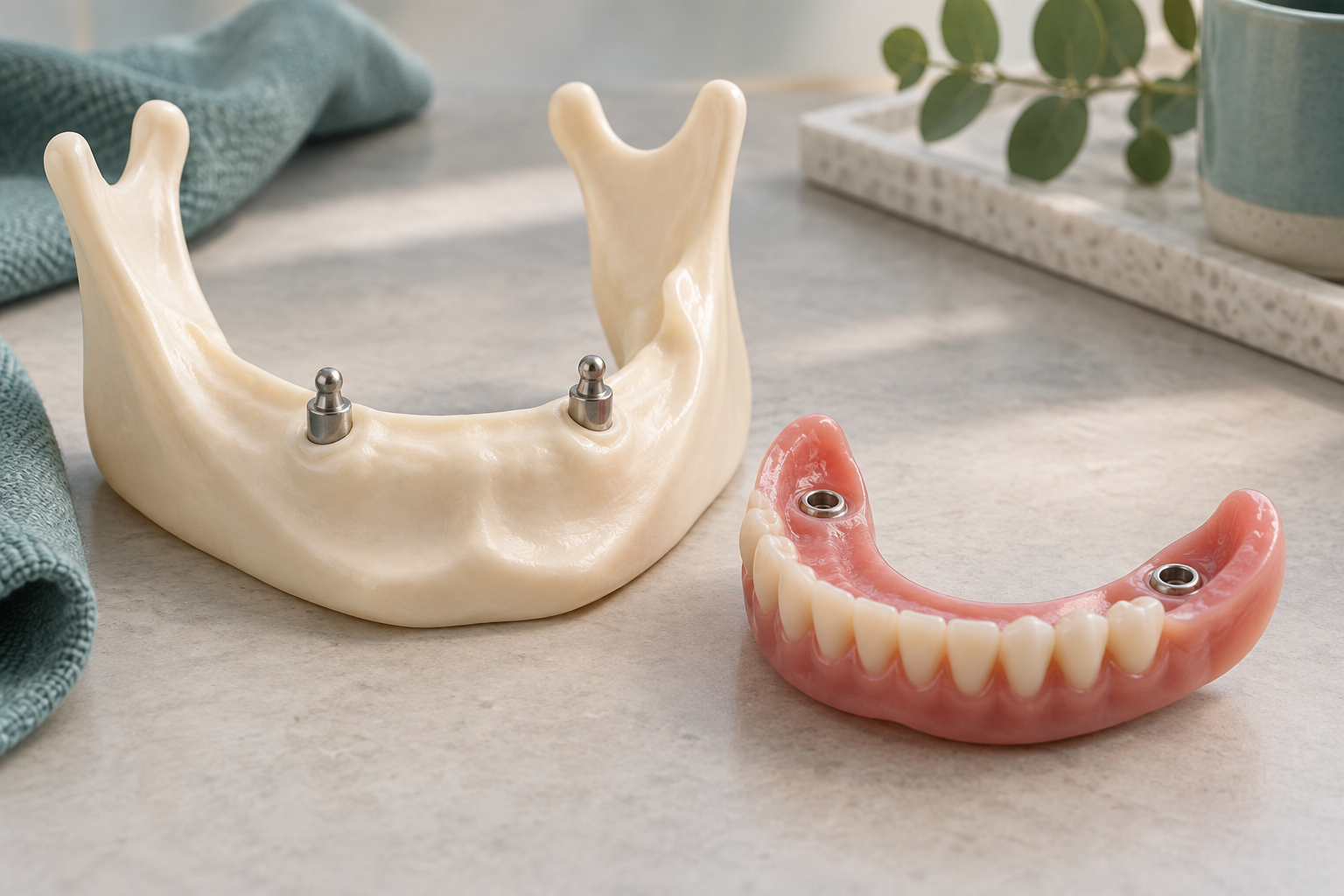
A partial or full denture is a removable option and works well when several teeth are missing. Modern dentures are far more comfortable and natural-looking than many people picture, and we will talk you through whether it fits your situation.
Why Choose Morsia Dental
Under Dr. Dt. Aykut Önol, our team has more than 15 years of experience in implants, cosmetic and restorative dentistry. We use German and Swiss-origin materials, work with 14 partner imaging centres, and have looked after patients from 23 countries.
For anyone travelling from the UK or Europe, the process makes the real difference. A dedicated patient coordinator handles your appointments, VIP medical-tourism arrangements, and follow-up, so you can focus on your treatment. For a tailored plan and an accurate quote, contact our team.
Frequently Asked Questions
What determines the cost of a tooth extraction in Turkey?
The cost of an extraction depends on the type of procedure, how the roots sit in the bone, whether the tooth is impacted, the imaging required and how much chair time the case takes. A simple extraction and a surgical or wisdom tooth removal are planned differently, so they are assessed separately. A treatment plan can only be prepared after a clinical examination and an X-ray, so please contact our clinic for a personal assessment.
Is tooth extraction painful?
The procedure is carried out under local anaesthetic, so the area is fully numb and you should feel pressure rather than pain. Mild soreness afterwards is normal and is usually managed well with standard pain relief. Individual experiences vary, and we go through aftercare before you leave.
How long does it take to heal after a tooth extraction?
The gum tissue usually closes over within one to two weeks for a simple extraction, while surgical sites may take a little longer. The underlying bone continues to fill in over several weeks to a few months. Most people return to normal eating within about a week.
Can I fly after a tooth extraction?
Many patients fly within a day or two of a straightforward extraction, but it is best to wait until any bleeding has settled and to follow your dentist’s advice. For surgical or wisdom tooth removal, we may suggest a little extra recovery time before travelling, which your coordinator can build into your stay.
What can I eat after a tooth extraction?
For the first day or two, stick to soft, cool or lukewarm foods such as yoghurt, soup, mashed potato and eggs, eaten with a spoon rather than a straw. Avoid very hot, hard, crunchy or chewy foods and chew on the opposite side, then gradually return to your normal diet as the area heals.
References
The clinical information in this article was cross-checked against the peer-reviewed publications listed below.
- Ko KI et al. Diabetic wound healing in soft and hard oral tissues. Transl Res, 2021. PMID: 33992825
- Dioguardi M et al. Oral bisphosphonate-induced osteonecrosis complications in patients undergoing tooth extraction: a systematic review and literature updates. Eur Rev Med Pharmacol Sci, 2023. PMID: 37458653
- Beth-Tasdogan NH et al. Interventions for managing medication-related osteonecrosis of the jaw. Cochrane Database Syst Rev, 2022. PMID: 35866376
This content is for general information only and does not replace an in-person examination, diagnosis or treatment. Please consult a dentist about your own situation.