
treatment/”>Root canal treatment (endodontic treatment) removes the infected pulp, disinfects the inner canals, and seals the space permanently. The tooth stays in place, functions normally, and with a crown placed on top, can last a lifetime.
Why Choose Antalya for Root canal treatment?
Cost is one of the first questions patients ask. Root canal treatment in Antalya is planned individually after a clinical assessment — what shapes the plan is which tooth is involved, how many canals it has and whether a post-treatment build-up is needed. A molar with several canals is therefore planned differently from a single-canal front tooth.
But price alone isn’t why patients return to Morsia or recommend us to friends. It’s the combination: internationally trained endodontists, rotary instrumentation systems, digital X-rays with minimal radiation, and appointment availability that doesn’t stretch six months ahead.
The Morsia Root Canal Process: Step by Step
We keep things straightforward and transparent.
- Diagnosis: Digital X-ray or, where needed, CBCT 3D scan to assess canal anatomy and infection extent.
- Local anaesthesia: We use modern articaine-based anaesthetics. You will feel pressure, not pain. If you feel discomfort at any point, tell us — we stop and add more.
- Rubber dam isolation: A small latex sheet isolates the tooth, keeping the area sterile and preventing irrigants from reaching your throat.
- Canal preparation: Rotary nickel-titanium files shape each canal to a precise taper. This takes 30–60 minutes depending on the number of canals.
- Disinfection: Sodium hypochlorite irrigation flushes bacteria. Ultrasonic activation improves reach in complex anatomy.
- Obturation: The canals are filled with gutta-percha and a biocompatible sealer. A temporary or permanent filling closes the access cavity.
- Crown placement: For back teeth, a ceramic crown is placed — usually within 3–5 days in Antalya, or at your home dentist if you prefer.
Most single-canal teeth (front teeth, premolars) are completed in one visit. Molars with three or four canals occasionally need two appointments spaced a week apart.
Is Root canal treatment in Antalya Painful?
This is the question we hear most. The honest answer: the anaesthesia injection may sting briefly, and you may feel mild soreness for 24–48 hours after treatment as inflammation settles. The procedure itself should be painless. If a tooth is acutely infected and inflamed, achieving full numbness can be harder — your Morsia endodontist will discuss this honestly and may recommend a short course of antibiotics before treating, to reduce inflammation and improve anaesthetic effectiveness.
Patients from Germany often ask: “How can it be cheaper and still not hurt?” The answer is that quality anaesthesia, modern instrumentation and time taken by the clinician are what prevent pain — not the price tag on the invoice.
What Happens After Treatment?
Expect mild sensitivity for one to three days. Over-the-counter ibuprofen (400 mg) is usually sufficient. Avoid chewing hard food on the treated side until the crown is placed. The treated tooth has no live nerve, so long-term sensitivity disappears completely — many patients are surprised to find a previously sensitive tooth feels entirely comfortable.
Morsia provides a written aftercare summary and a contact number for the week following treatment. If anything concerns you after you return home, we respond to messages within the same business day.
Root Canal Retreatment: When a Previous Treatment Fails
Not all root canals performed elsewhere are successful. Persistent infection, missed canals, or inadequate sealing can cause continued pain or bone loss years later. Retreatment — removing the old filling material and re-treating the canals — is a specialty service at Morsia. We use CBCT imaging to identify the problem before starting, ensuring we address the actual cause.
Retreatment is assessed individually at Morsia, as the plan depends on the tooth and the earlier treatment.
Ready for your new smile? Contact Morsia Dental to arrange a consultation.
Frequently Asked Questions
How long does Root canal treatment take in Antalya?
A single-canal tooth takes 60–90 minutes in one visit. Molars with multiple canals may take 90 minutes or require two visits. We block adequate time so the procedure is never rushed.
Can I fly home the same day?
Yes. Most patients fly home the day of or day after treatment. We recommend avoiding very hot food for 24 hours and taking ibuprofen if needed. The procedure places no restrictions on flying.
Do I need a crown after Root canal treatment?
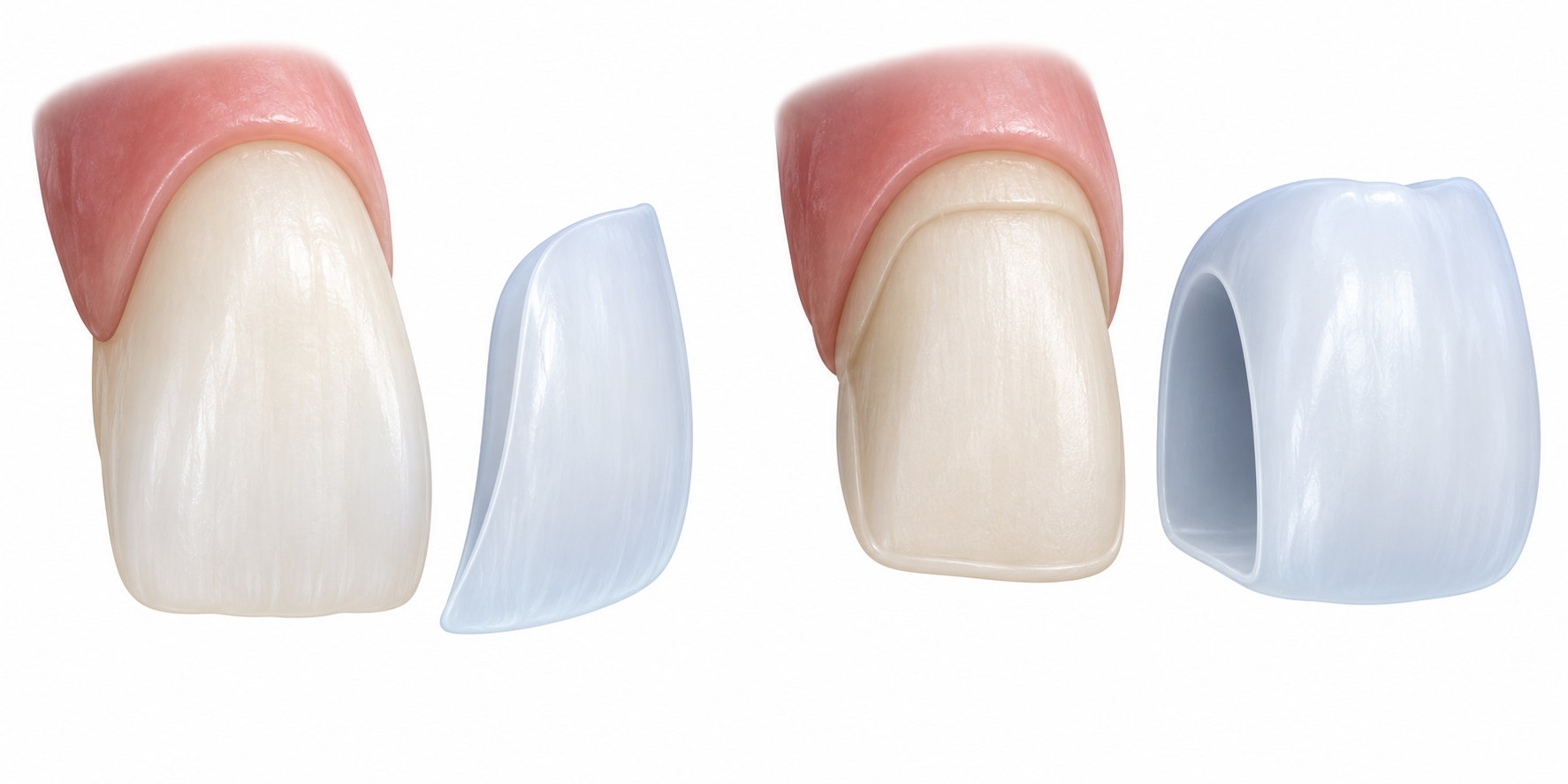
For back teeth (premolars and molars), yes — a crown protects the tooth from fracture, which is the main cause of tooth loss after Root canal treatment. Front teeth are sometimes restored with a composite filling and a porcelain veneer instead.
What if the infection is severe?
Severe infections with swelling or abscess are treated as urgent cases at Morsia. We drain the abscess, prescribe antibiotics, and treat the canal when inflammation is controlled. Do not delay — dental infections can spread rapidly.
Is the quality of treatment comparable to Germany?
Our endodontists trained and hold qualifications from European universities. We use the same irrigant protocols, the same file systems, and the same obturation materials as leading German endodontic practices. The difference is cost, not clinical standard.
What is the success rate of Root canal treatment?
With modern technique, success rates for primary Root canal treatment are 85–97% at ten years. Retreatment has a slightly lower success rate (75–85%) depending on the cause of failure. Your Morsia clinician will give you a realistic assessment for your specific case.
Book your free consultation at Morsia Dental Antalya. We assess your X-rays remotely before you travel — send us your current scan and we’ll confirm treatment feasibility within 24 hours.
References
The clinical information in this article was cross-checked against the peer-reviewed publications listed below.
- Duncan HF et al. Present status and future directions-Vital pulp treatment and pulp preservation strategies. Int Endod J, 2022. PMID: 35080024
- Fransson H et al. Tooth survival after endodontic treatment. Int Endod J, 2023. PMID: 36149887
- Setzer FC et al. The Use of Artificial Intelligence in Endodontics. J Dent Res, 2024. PMID: 38822561
This content is for general information only and does not replace an in-person examination, diagnosis or treatment. Please consult a dentist about your own situation.