
Thinking about dental implants in Turkey but been told your jaw bone isn’t quite ready? You’re not alone. A Sinus Lift and Bone Grafting in Turkey is one of the most common preparatory steps we carry out at our clinic in Antalya, and it’s the reason many people once told “implants aren’t possible for you” end up with a fixed smile after all. Here’s what these procedures involve, what determines the scope of treatment in each case, and what recovery really looks like from the chair side.
What Is a Sinus Lift?
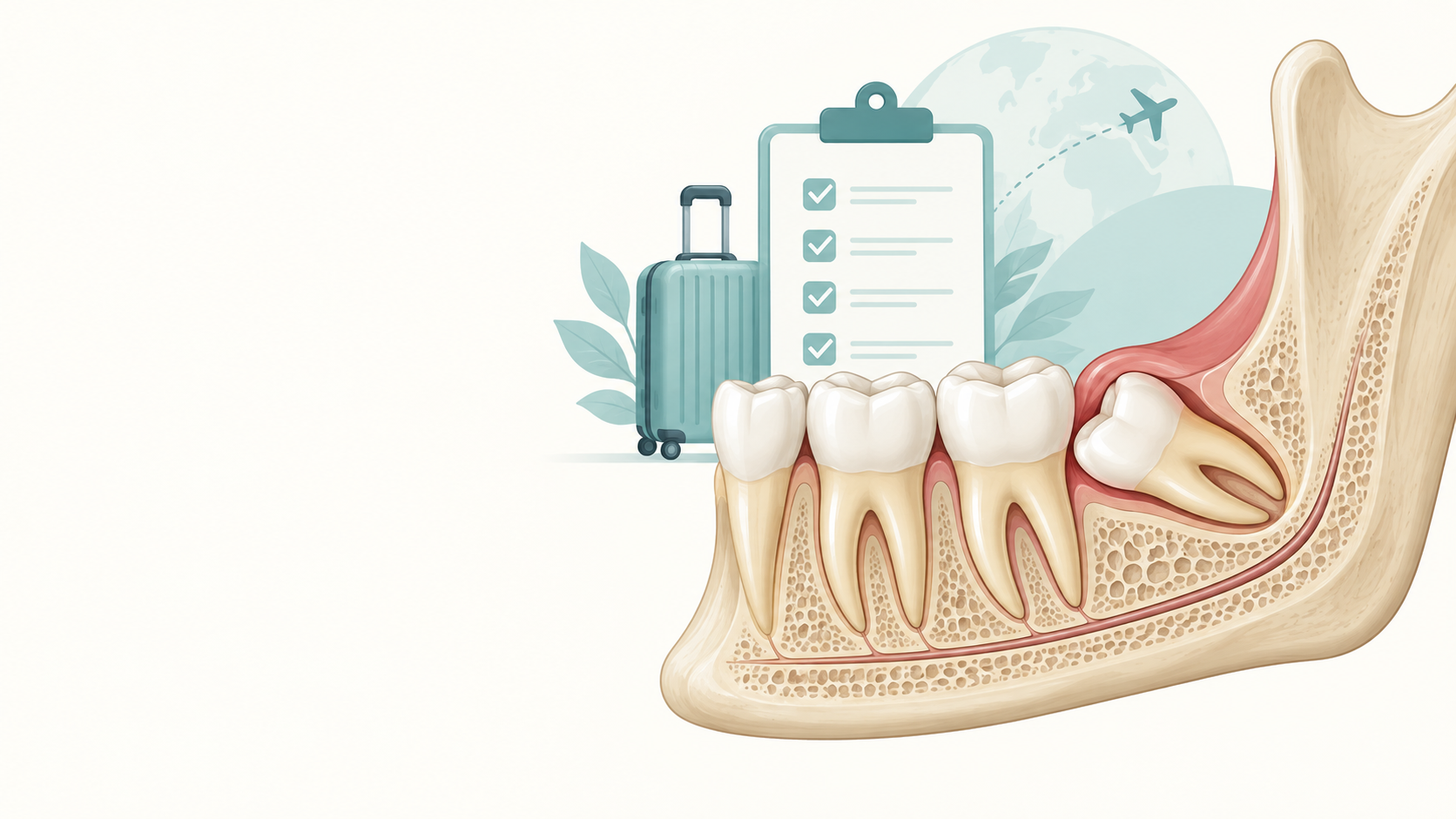
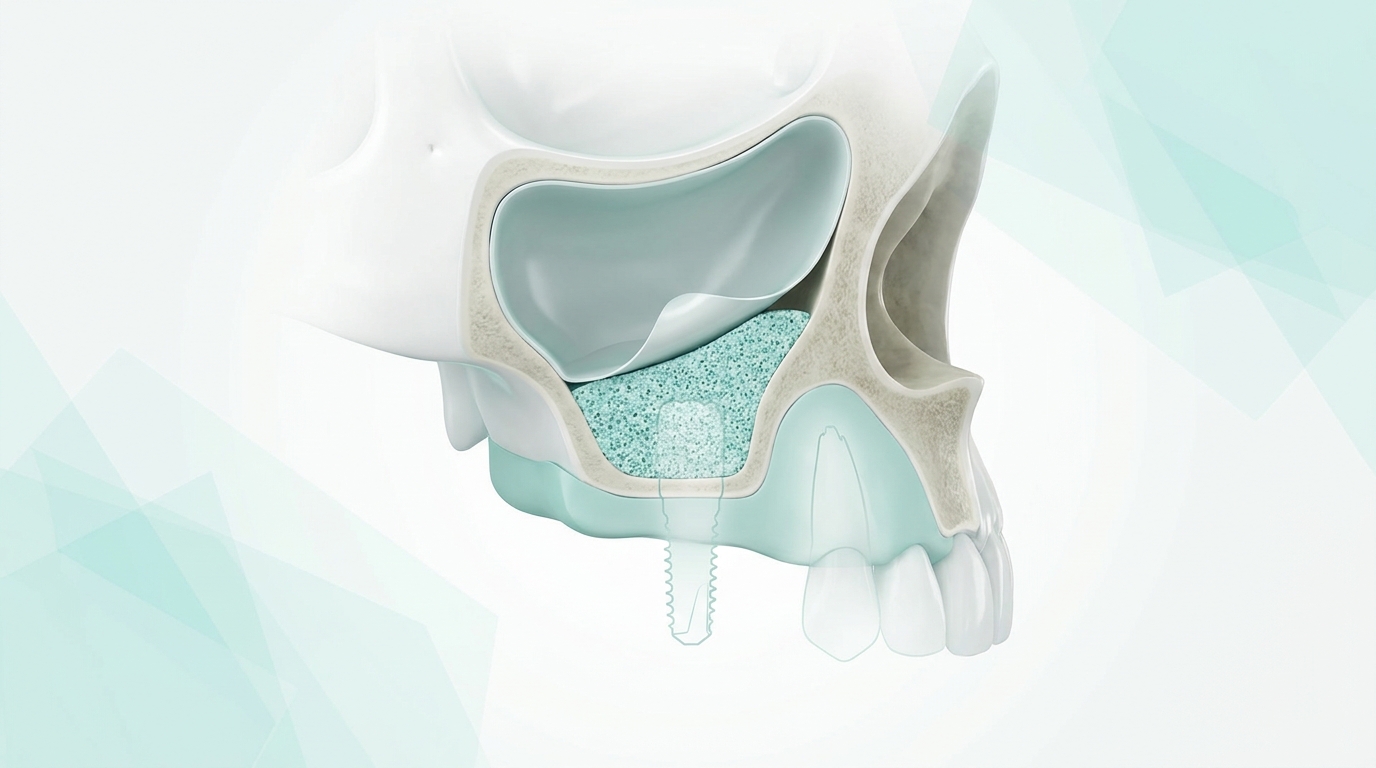
Let’s keep this simple. Your upper back teeth sit just below two air-filled spaces, the maxillary sinuses. Lose a molar up there and the bone underneath tends to shrink, while the sinus floor drops lower over time. The result? Not enough height to anchor an implant safely.
A sinus lift (sometimes called sinus augmentation) gently raises that sinus membrane and adds grafting material into the space created, building up the bone height needed for a stable implant. We do this through a small access point in the gum, under local anaesthetic. It sounds dramatic. In practice it’s a routine, well-established surgery.
What Is Dental Bone Grafting?
Bone grafting is the broader procedure a sinus lift belongs to. The idea is to rebuild bone volume where it’s been lost, so an implant has something solid to integrate with. Think of it as laying proper foundations before you build a wall.
Bone can disappear for several reasons. Long-standing tooth loss, gum disease, infection, or trauma all play a part. When we assess a new patient on one of our panoramic or 3D scans, taken at one of the 14 partner imaging centres we work with, the first thing we check is whether the bone can hold an implant on its own or needs a little help first.
Why You Might Need Bone Augmentation Before Implants
Not everyone needs grafting. But a fair number of patients coming to us for implants do, and most have no idea until the scan tells the story. The bone simply isn’t tall, wide, or dense enough to hold an implant on day one. Here are the situations where bone augmentation often comes up:
- You’ve had teeth missing in the upper jaw for several years and the sinus has dropped
- Gum disease has eaten away at the bone supporting your teeth
- An old extraction healed without preserving the socket
- You’re considering All-on-4 implants and need a predictable foundation across the arch
One thing we tell every patient: grafting isn’t a setback, it’s groundwork for a stable implant. An implant placed into healthy, sufficient bone has a far better chance of lasting, and individual results always depend on your own healing and oral health.
Types of Bone Grafts
There isn’t one single graft material. The right choice depends on how much bone you need, where it’s needed, and your own preference once we’ve talked it through. Here are the main options.
Autograft (Your Own Bone)
This is bone harvested from another site in your own body, often elsewhere in the jaw. Because it’s your own tissue, your body recognises it readily and it tends to integrate well. The trade-off is a second surgical site, so we reserve it for cases where it genuinely adds value.
Allograft and Xenograft
An allograft uses processed, sterilised human donor bone. A xenograft uses bone of animal origin, most commonly bovine, treated so only the mineral scaffold remains. Both act as a framework that your own bone grows into and replaces over time. We use German and Swiss-origin grafting materials precisely because the processing standards behind them are so consistent.
Synthetic Grafts
These are lab-made materials, usually calcium phosphate, designed to mimic natural bone. No donor tissue involved, which suits some patients better. They work well in smaller defects and are often combined with other materials for larger jobs.
The Sinus Lift Procedure — Step by Step
Patients almost always ask the same thing first: “What actually happens on the day?” Here’s the honest version of how we approach it.
- Assessment and planning. We review your 3D scan, measure the available bone, and decide on the technique. No quote or plan is finalised until this is done.
- Local anaesthetic. The area is fully numbed. Most people are surprised by how comfortable this part is.
- Accessing the sinus. We create a small opening to reach the sinus floor, either through the side of the jaw (lateral) or through the implant site itself (crestal) for smaller lifts.
- Lifting the membrane. The thin sinus membrane is carefully raised to make room.
- Placing the graft. Grafting material is packed into the new space to build height.
- Closing up. The site is closed with sutures and left to heal so your own bone can grow into the graft.
In some cases we place the implant during the same visit. In others, the bone needs time to mature first. We’ll explain which path applies to you, because it depends entirely on what the scan shows.
What Shapes the Cost of a Sinus Lift or Bone Graft
This is the part most people scroll straight to, and we understand why. The honest answer is that a sinus lift and a bone graft are surgical procedures planned around one person’s anatomy, so there is no standard figure to quote before we have seen your scan.
What the plan involves is shaped by the surgical technique, how much bone volume has to be rebuilt, the grafting material selected, how many sites are treated, and whether the implant can be placed in the same session. Many of our patients fold these steps into one of our all-inclusive treatment packages, keeping the planning, imaging, and follow-up under one roof.
Your treatment plan is prepared individually after a clinical examination and a 3D scan. Contact our clinic to arrange an assessment.
What Determines the Cost of Your Treatment
Rather than a figure to compare at a glance, it is far more useful to know what a surgeon actually weighs up when planning your case. Here’s a side-by-side look at the factors that carry the most weight.
| Factor | What it refers to | Why it matters |
|---|---|---|
| Surgical technique | Lateral window or crestal (internal) approach | The bone height available on your scan decides the route, and each one takes a different amount of surgical time. |
| Volume of grafting needed | How much bone has to be rebuilt at the site | A single narrow gap and a wide multi-tooth area are not comparable cases. |
| Type of graft material | Autograft, allograft, xenograft or synthetic | The choice is made on clinical grounds, and an autograft adds a second surgical site. |
| Number of sites treated | One area or several across the arch | Full-arch planning means more imaging, more surgical stages and longer follow-up. |
| Timing of the implant | Same-session placement or staged healing first | Staged treatment involves a second visit and a longer overall timeline. |
| Imaging and aftercare | 3D scan, review appointments, remote check-ins | Diagnostics and follow-up are part of the plan, not an afterthought. |
Where you have treatment is a clinical decision before it is anything else. Ask which grafting materials are used, who carries out the surgery, and how follow-up is arranged if you are travelling from abroad, and make sure the answers are in writing before you commit.
Your treatment plan is prepared individually after a clinical examination and a 3D scan. Contact our clinic to arrange an assessment.
Recovery and Healing Timeline
Recovery is usually gentler than people fear. Some swelling and mild discomfort for a few days is normal, managed easily with the medication we provide. Most patients are back to light routines within a day or two.
The deeper healing, where your bone integrates with the graft, takes longer. As a general guide it can run from four to nine months, though this varies from person to person. We give you aftercare instructions in writing, and for overseas patients our dedicated coordinator stays in touch throughout, arranging remote check-ins where a quick return visit isn’t practical.
A few things that genuinely help:
- Avoid blowing your nose forcefully for the first couple of weeks after a sinus lift
- Skip smoking, which slows bone healing considerably
- Stick to softer foods early on and keep the area clean as instructed
Can You Have Implants and a Sinus Lift at the Same Time?
Sometimes, yes. When there’s enough existing bone to give the implant initial stability, we can place the graft and implant in a single procedure. It saves a trip and shortens the timeline, which our travelling patients understandably love.
When the bone is too thin, though, we stage it: graft first, heal, then place the implant once the foundation is solid. There’s no universal answer. The decision rests on your scan and your own anatomy, and we’d rather do it properly than rush it. The same careful planning applies to our implant treatment in Antalya, whether it’s a single tooth or a full arch.
Why Choose Morsia Dental
We’re a medical-tourism clinic in Antalya led by Dr. Dt. Aykut Önol, with more than fifteen years in implants, cosmetic and restorative dentistry. Patients from 23 countries have travelled to us, and there’s a reason they keep coming.
- German and Swiss-origin materials, chosen for their consistency and track record
- Access to 14 partner X-ray and imaging centres for accurate, fast diagnostics
- A dedicated patient coordinator who manages your journey from airport to aftercare
- A VIP medical-tourism process built around travelling patients, not squeezed in around them
If you’ve been told grafting stands between you and the smile you want, that’s exactly the kind of case we plan for every week. Send us your details or recent X-rays through our enquiry form, and our coordinator will come back to you with the next steps. Treatment timelines and outcomes depend on a proper assessment first.
Frequently Asked Questions
What determines the cost of a sinus lift in Turkey?
It is shaped by the surgical technique used, how much grafting material the site needs, the type of graft chosen, and whether an implant can be placed in the same session. Because these differ from patient to patient, a treatment plan is only meaningful once a 3D scan and clinical examination have been carried out. Contact our clinic to arrange an assessment.
Is a sinus lift painful?
The procedure is carried out under local anaesthetic, so you shouldn’t feel pain during it. Afterwards, most patients describe mild swelling and discomfort for a few days, usually well controlled with the medication we provide. Individual experiences vary.
How long after a bone graft can I get implants?
It depends on your healing and the amount of grafting done. Sometimes an implant goes in during the same visit. More often, the bone needs roughly four to nine months to integrate first. Your scan guides the timing.
Is bone grafting always needed for dental implants?
No. Many patients have enough healthy bone for an implant without any grafting. It only comes into play when a scan shows the bone is too short, narrow, or thin to support an implant safely. An assessment is always required first.
How long does bone graft healing take?
Full integration of the graft into your own bone generally takes four to nine months, though this varies from person to person depending on the site, the material used, and your overall health. We monitor progress before moving to the implant stage.
References
The clinical information in this article was cross-checked against the peer-reviewed publications listed below.
- Testori T et al. Risk factors in lateral window sinus elevation surgery. Periodontol 2000, 2019. PMID: 31407430
- Molina A et al. Complications in sinus lifting procedures: Classification and management. Periodontol 2000, 2022. PMID: 35103321
- Gaspar J et al. Osseodensification technique in crestal maxillary sinus elevation-A narrative review. Clin Implant Dent Relat Res, 2025. PMID: 39350694
This content is for general information only and does not replace an in-person examination, diagnosis or treatment. Please consult a dentist about your own situation.