
You’ve seen the ads. You’ve read the headlines. “Get a Hollywood smile in Turkey!” Sounds brilliant — or sounds like a scam, depending on your mood. If you’re a first-timer considering getting your teeth done in Turkey, you probably have a hundred questions and a fair bit of scepticism. Good. That scepticism will serve you well.
This guide is the honest version — no sales pitch, no glossing over the downsides. We’ll cover what’s genuinely great about dental treatment in Turkey, what to watch out for, and exactly how to make smart decisions if you decide to go.
Is Getting Your Teeth Done in Turkey a Good Idea?
Short answer: for most people, yes — if you choose the right clinic. Turkey performs over a million dental procedures on international patients every year. The country has invested billions in medical tourism infrastructure, and the top clinics genuinely match or exceed UK standards in terms of technology, materials, and clinical outcomes.
The longer answer involves understanding why costs are lower. It’s not because Turkish dentists are less skilled or use cheaper materials. Labour costs, rent, equipment financing, and regulatory overheads are all significantly lower in Turkey than in the UK. A dentist in Antalya can charge a third of London prices and still earn well, invest in top-tier equipment, and run a profitable practice. The economics simply work differently.
That said, not every clinic deserves your trust. Turkey’s dental tourism boom has attracted some operators who prioritise volume over quality. The key is knowing how to separate the excellent from the average.
What Treatments Can You Get in Turkey?
Pretty much anything you’d get at a UK private practice — and often with shorter waiting times. The most popular treatments among UK patients:
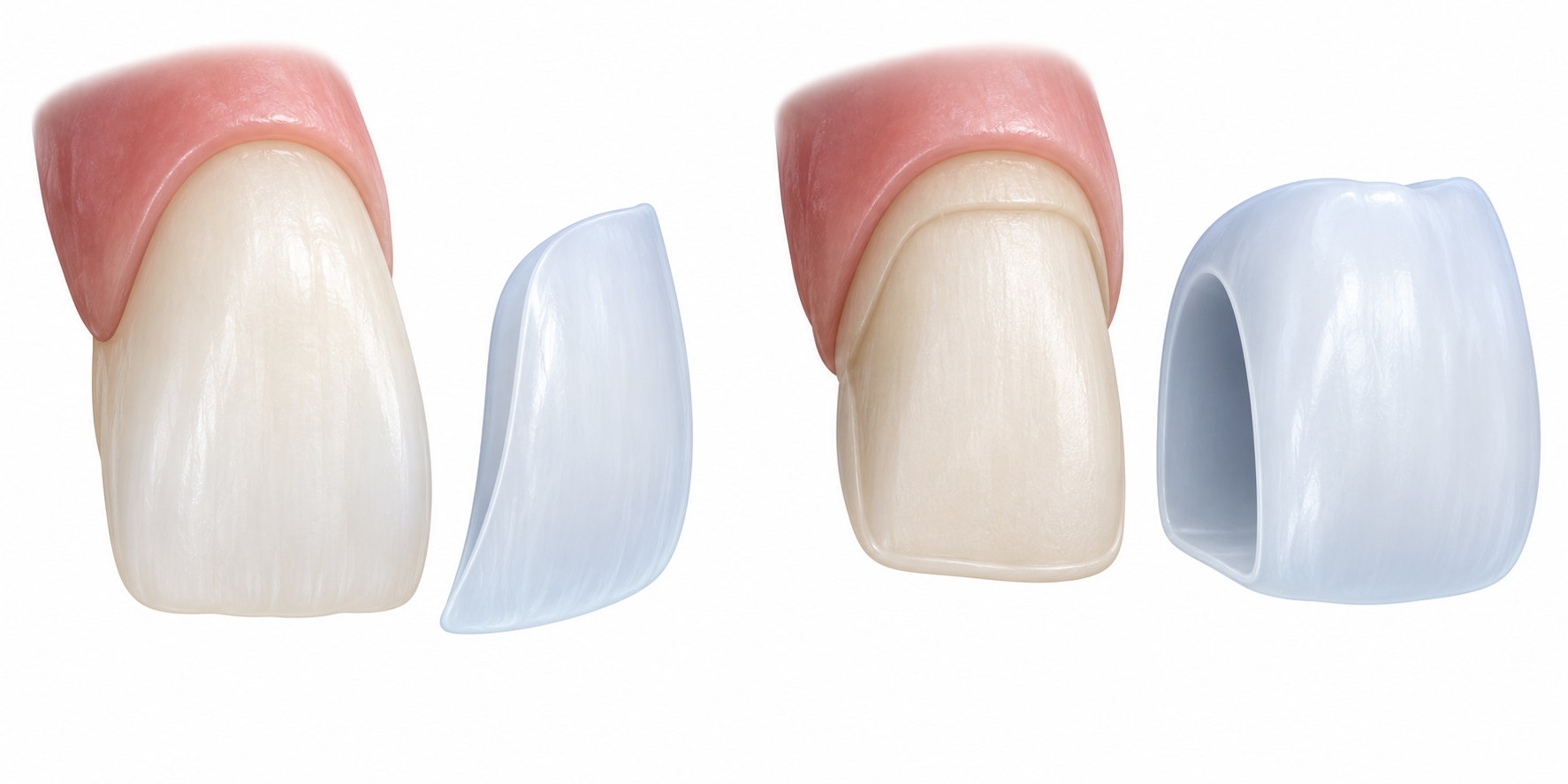
- Porcelain veneers and E-Max laminates — the classic “smile makeover”
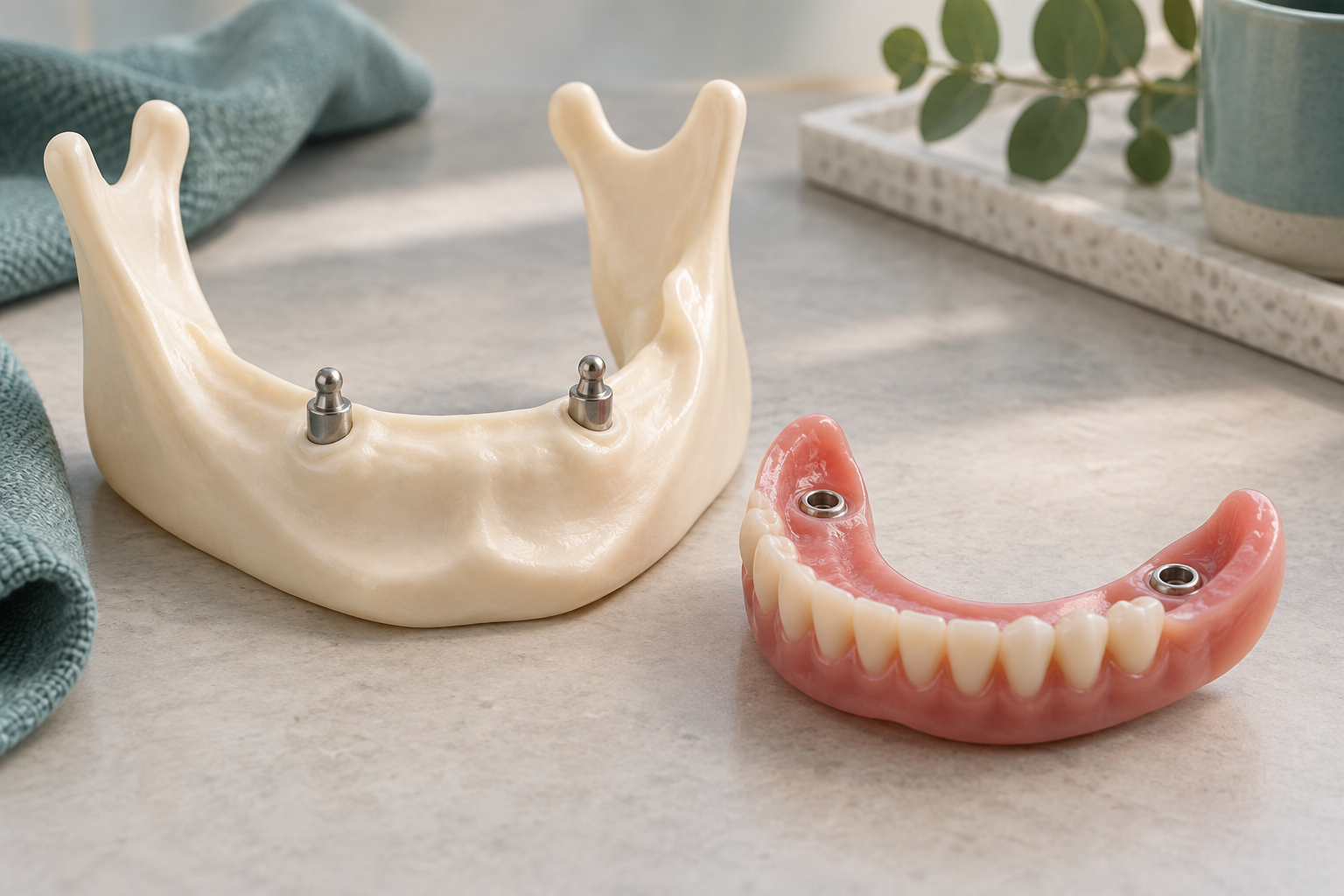
- Dental implants — single, multiple, or full-arch (All-on-4, All-on-6)
- Zirconia crowns and bridges — durable, natural-looking restorations
- Full mouth rehabilitation — combining implants, crowns, and aesthetic work
- Hollywood Smile packages — 20 veneers for a complete transformation
- Teeth whitening — professional in-office treatment
- Root canal treatment and extractions — general dentistry at a fraction of UK cost
Complex procedures like zygomatic implants and full-arch reconstructions are available at specialist clinics too. If your UK dentist can do it, chances are a top Turkish clinic can as well.
How to Choose a Trustworthy Clinic
This is where most first-timers get it right or get it wrong. Don’t skip these steps.
Check Accreditation and Certifications
At minimum, the clinic should be accredited by the Turkish Ministry of Health. Beyond that, look for ISO certification (quality management systems) and JCI accreditation (international healthcare standard). The treating dentists should hold degrees from recognised universities and ideally have additional training from European or American institutions.
Read Independent Reviews (Trustpilot, Google)
Don’t rely on testimonials on the clinic’s own website — those are curated. Go to Trustpilot, Google Reviews, and WhatClinic for unfiltered feedback. Look for patterns: consistent praise for communication, clinical skill, and aftercare is a green flag. Complaints about hidden costs, rushed treatment, or poor follow-up are red flags.
Pay attention to the volume of reviews too. A clinic with 500+ reviews averaging 4.7 stars is a safer bet than one with 15 five-star reviews that could easily be planted.
Ask for Before and After Photos
Real before-and-after photos from actual patients are the single best indicator of what you’ll get. Look for cases similar to yours — same type of treatment, similar starting point. Stock photos or AI-generated images are an instant disqualifier.
Request a Consultation First
Any reputable clinic will assess your case remotely before you commit. Send your dental X-rays (ask your UK dentist for a panoramic image) and photos of your teeth. The clinic should provide a detailed treatment plan with a line-by-line cost breakdown within 24–48 hours. A consultation that’s thorough and unhurried tells you a lot about the clinic’s professionalism.
What to Expect on Your First Visit
You land at Antalya Airport, and a driver is waiting with your name on a sign. That’s standard — most clinics include airport transfers. The drive to your hotel takes 20–30 minutes, and you check into a comfortable 4 or 5-star hotel (also usually included in your package).
The next morning, you head to the clinic. The first appointment is a comprehensive assessment: panoramic X-ray, 3D CT scan if needed, and a face-to-face consultation with your dentist. They’ll walk you through the treatment plan, answer your questions, and make any adjustments. Treatment often begins the same day or the following morning.
What surprises most first-timers is the pace. Turkish dental clinics are set up for international patients who have limited time. They’re efficient without being rushed — you’ll spend less time waiting and more time being treated compared to a typical UK dental experience.
How Long Do You Need to Stay in Turkey?
It depends on your treatment:
- Veneers or crowns: 5–7 days (preparation visit + waiting for lab work + fitting visit)
- Single implant: 5–7 days for surgery and initial healing, then a return trip in 3–6 months for the final crown
- All-on-4/All-on-6: 7–10 days, sometimes with temporary teeth fitted the same day
- Teeth whitening only: 2–3 days
- Full mouth rehabilitation: 7–14 days depending on complexity, sometimes split across two visits
Most patients plan a week. That gives enough time for treatment, recovery, and some genuine holiday time in between. Antalya’s beaches, restaurants, and historical sites make the “waiting” period quite pleasant.
Common Fears — And Why They’re Usually Overblown
First-timers worry about the same things. Let’s address them honestly.
Language Barrier
At reputable clinics, this is a non-issue. Morsia Dental’s patient coordinators and key clinical staff speak fluent English. All treatment plans, consent forms, and aftercare instructions are provided in English. You won’t need to mime your way through a dental consultation.
At budget clinics, language can genuinely be a problem. If the clinic can’t communicate clearly with you before you arrive, imagine how they’ll handle a complication. English fluency across the team isn’t a luxury — it’s a baseline requirement.
Quality Concerns
The materials and technology at top Turkish clinics are identical to what UK practices use. Straumann implants from Switzerland. E-Max and zirconia from Ivoclar Vivadent. CAD/CAM equipment from Dentsply Sirona. These are global brands — the quality doesn’t change based on geography.
Where quality varies is between clinics, not between countries. A cheap clinic in Turkey can cut corners just as a cheap clinic in the UK can. The solution is the same in both cases: choose a well-established clinic with a documented track record.
What If Something Goes Wrong?
Legitimate concern. Good clinics address this proactively. Morsia Dental provides a direct WhatsApp line to your treating dentist for post-treatment support. You also leave with a written follow-up and check-up schedule, so you know when your implants should be reviewed, what to watch for at home and who to contact if something does not feel right once you are back.
The statistical reality? Complication rates at accredited Turkish clinics are in line with global averages. Most patients fly home and heal without any issues. The ones who do have minor problems — a temporary crown that loosens, some extra sensitivity — resolve them remotely via photo consultations.
What UK Patients Wish They Knew Before Going
Based on thousands of patient experiences, here’s what first-timers consistently say they wish they’d known:
- “I should have sent my X-rays earlier.” The sooner you send imaging, the more detailed and accurate your quote will be.
- “I didn’t need to be so nervous.” The clinics are modern, clean, and professional. Most patients say the experience exceeded their expectations.
- “Bring a portable charger and a good book.” You’ll have some waiting time between appointments. Antalya’s cafés are perfect for this.
- “The food is incredible.” Soft foods for the first couple of days, but Turkish cuisine has plenty of gentle options — and it’s absurdly good.
- “I wish I’d done it sooner.” The most common feedback of all. Patients who spent months deliberating usually regret the delay once they see the results.
FAQ — Getting Teeth Done in Turkey
Is it a good idea to get your teeth done in Turkey?
For most patients, yes. Turkey’s top dental clinics use the same materials, brands, and techniques as premium UK practices — at 50–70% lower cost. The key is choosing a well-accredited clinic with strong independent reviews, verified before-and-after photos, and clear communication in English.
How long do you need to stay in Turkey for dental work?
Most treatments require 5–7 days. Veneers and crowns take about a week (with lab time in between). Implants need 5–7 days for surgery, plus a return visit 3–6 months later for the final crown. Full mouth work may require 7–14 days or two separate trips.
What should I look for when choosing a dental clinic in Turkey?
Check for Turkish Ministry of Health accreditation, ISO or JCI certification, and dentists with international training. Read independent reviews on Trustpilot and Google (look for 4.5+ over hundreds of reviews). Ask for real before-and-after photos and request a consultation before committing.
Do dentists in Turkey speak English?
At reputable clinics catering to international patients, yes. Clinical staff, patient coordinators, and key dentists speak fluent English. All documentation is provided in English. Budget clinics may have limited English — if clear communication is lacking before you travel, consider it a warning sign.
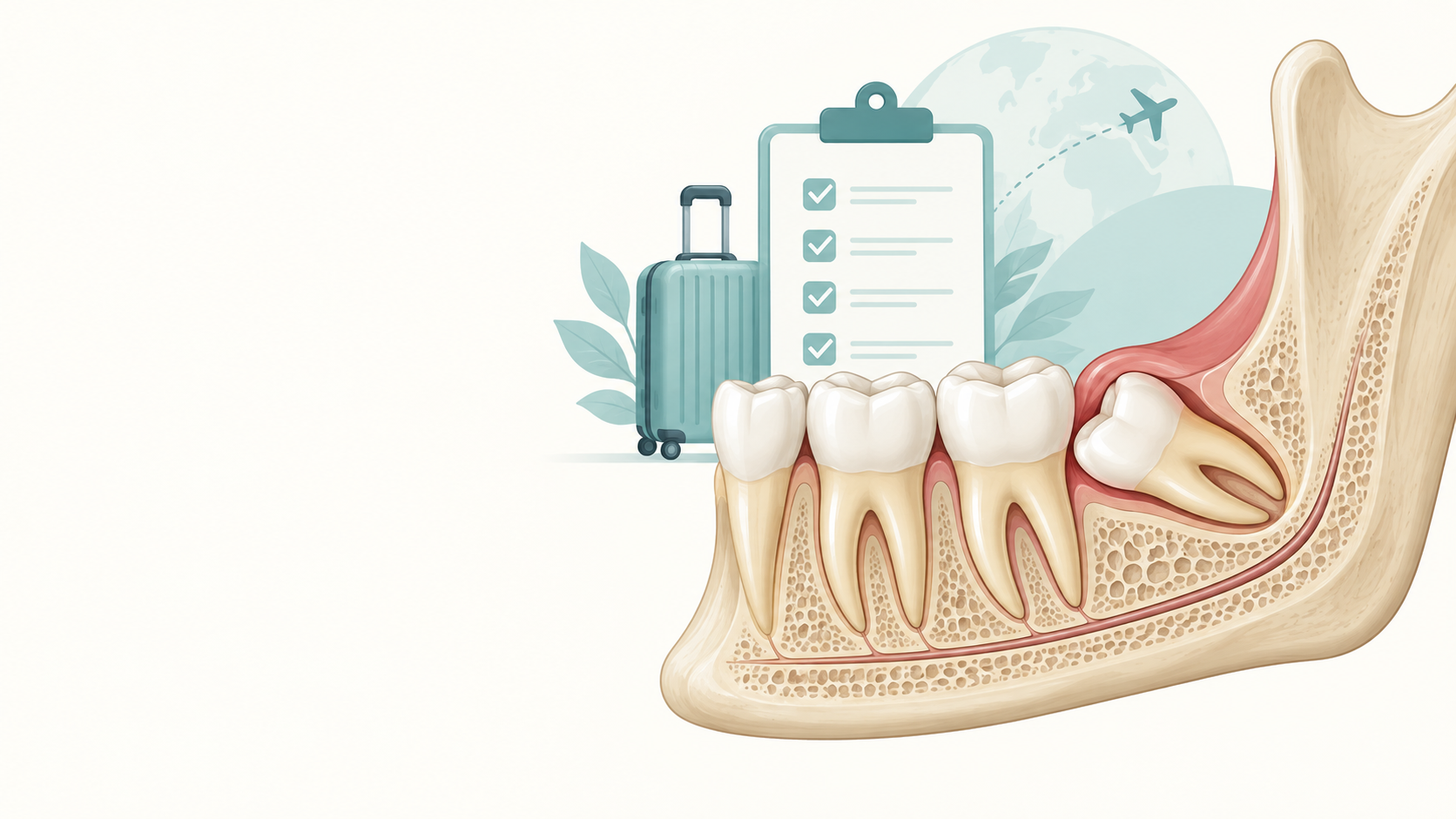
What should I pack for a dental trip to Turkey?
Bring your dental records and recent X-rays, any prescribed medications, comfortable clothing, sunscreen, a portable phone charger, and a good book for downtime between appointments. The clinic will provide aftercare supplies. Pack light — you may want room in your bag for souvenirs.
References
The clinical information in this article was cross-checked against the peer-reviewed publications listed below.
- Halsey ES et al. Medical Tourism. , 2025. PMID: 41818526
- Potin M et al. Injuries and medical emergencies among international travellers. J Travel Med, 2024. PMID: 37405992
- Gambhir RS et al. Dental public health in India: An insight. J Family Med Prim Care, 2016. PMID: 28348984
This content is for general information only and does not replace an in-person examination, diagnosis or treatment. Please consult a dentist about your own situation.