You’ve seen the prices. You’ve seen the before-and-after photos. And now your brain is doing what brains do — looking for the catch.
Is dental treatment in Turkey actually safe?
Fair question. It deserves a straight answer, not a sales pitch. So here it is: yes, dental treatment in Turkey can be completely safe — but only if you choose the right clinic. The same is true in London. Or Berlin. Or anywhere else. The country isn’t the variable. The clinic is.
This guide explains the regulatory framework, what certifications to look for, the real risks to watch out for, and how to tell a trustworthy Antalya clinic from one you should avoid.
Turkey’s Dental Regulation System: What Governs the Clinics
Turkey has a formal, government-run system for regulating dental clinics. It’s not the Wild West — though the internet sometimes makes it sound that way.
Turkish Ministry of Health Oversight
Every dental clinic in Turkey must be licensed by the Turkish Ministry of Health. This covers facility standards, equipment requirements, sterilisation protocols, and staff qualifications. Inspections happen. Clinics that fail get shut down.
For dental tourism specifically, there’s an additional layer: the International Health Tourism Authorization Certificate. This is granted only to clinics that meet extra standards for treating foreign patients — including having multilingual staff, patient coordination services, and documented treatment protocols for international cases.
Not every clinic has this certificate. Morsia Dental does. And it should be the first thing you check when evaluating any clinic.
JCI Accreditation
Joint Commission International (JCI) is the global gold standard for healthcare facility accreditation. Turkey has more JCI-accredited hospitals than almost any country outside the United States. JCI accreditation means the facility meets international benchmarks for patient safety, infection control, clinical outcomes, and staff training.
While JCI primarily accredits hospitals rather than standalone dental clinics, many dental clinics in Antalya operate within or alongside JCI-accredited hospital groups. This matters — it means access to hospital-grade sterilisation, emergency protocols, and clinical governance.
Dentist Qualifications
Turkish dental education takes five years at university level. Many dentists working in Antalya’s top clinics have additional postgraduate training — often completed in Europe or the US. Specialisations in implantology, prosthodontics, and oral surgery require years of additional study beyond the base degree.
You have every right to ask your dentist about their qualifications, training, and how many procedures like yours they’ve performed. A confident, qualified dentist will welcome these questions.
The Real Risks — And How to Avoid Them
Let’s talk about what actually goes wrong when dental treatment abroad fails. Understanding the risks helps you avoid them.
Risk 1: Choosing a Clinic Based on Price Alone
This is the number one cause of bad outcomes. If a clinic is quoting prices dramatically below the Antalya average, ask yourself what they’re cutting. Cheap implant brands with no clinical research? Undertrained staff? Rushed procedures with too many patients per day?
The cost of a single dental implant in Antalya is set individually after a clinical assessment; what shapes it is the implant brand and the material chosen. If a quote looks unusually low, ask what it covers — either the implant is not the brand named, or the quoted “implant cost” leaves out the abutment and the crown.
Risk 2: Over-Treatment
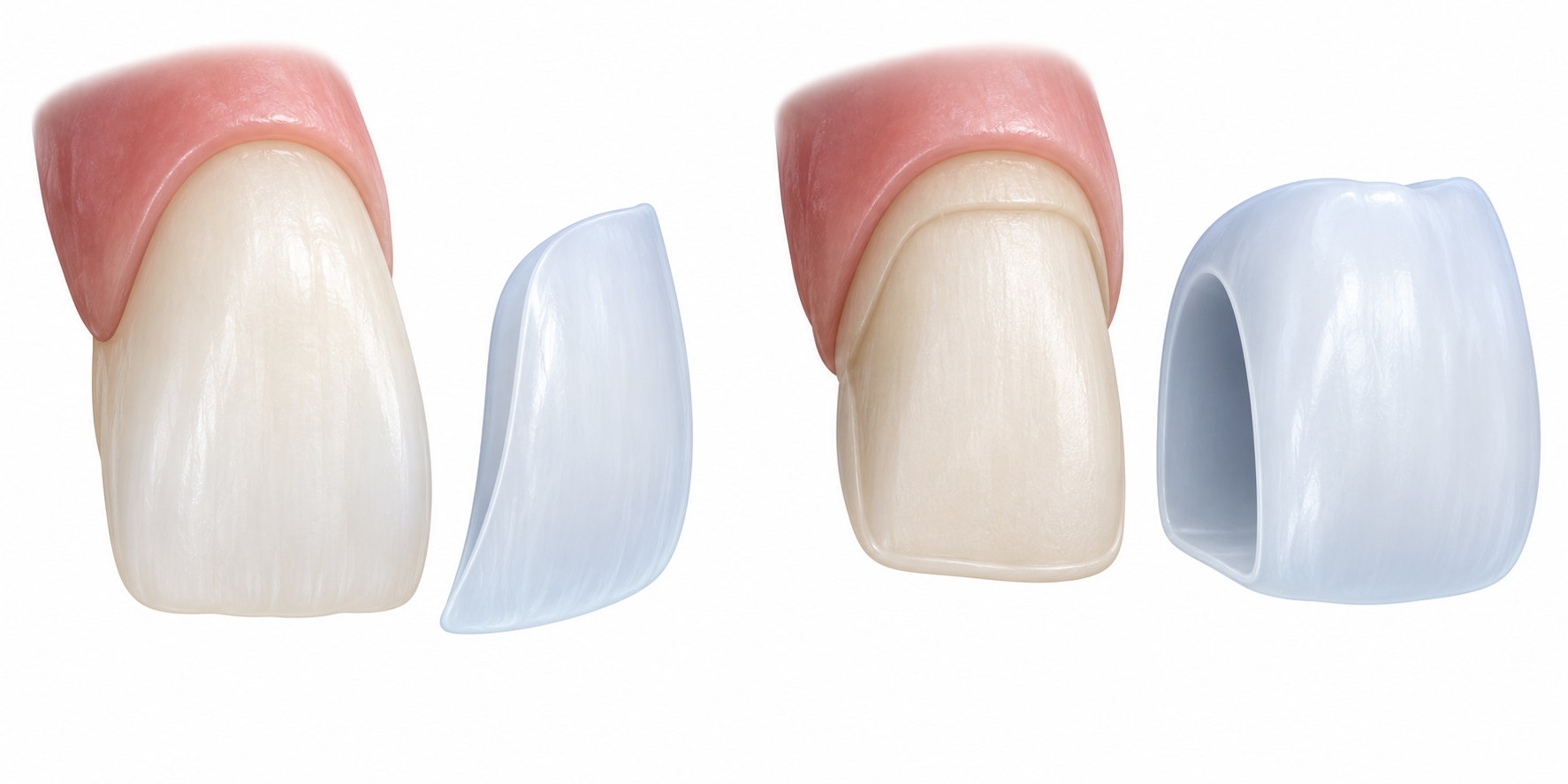
Some clinics recommend more treatment than you need. Healthy teeth ground down for veneers when whitening would suffice. Implants suggested when a bridge would work fine. The financial incentive is obvious.
How to protect yourself: Get a second opinion. Send your X-rays to two or three clinics. If one recommends significantly more work than the others, that’s a red flag. At Morsia Dental, we believe in minimum intervention — we won’t touch a healthy tooth unless there’s a clinical reason to.
Risk 3: No Aftercare Plan
You fly home and a problem develops. The clinic doesn’t respond to messages. Or they respond but won’t cover the issue. This is a real risk with clinics that treat dental tourism as a volume game rather than a relationship.
What to look for: A written guarantee on all work. A clear protocol for remote follow-up (WhatsApp, email, video call). Willingness to provide your full treatment records so your local dentist can step in if needed.
Risk 4: Rushing the Process
Dental work takes the time it takes. A full set of porcelain veneers requires careful preparation, precise impressions, and multiple fitting sessions. If a clinic promises 20 veneers in two days, the lab work is being rushed — and that affects fit, colour matching, and durability.
Good work takes 5–7 days minimum for most cosmetic cases. Plan your trip accordingly.
Sterilisation and Infection Control Standards
This is where patients understandably feel most anxious. You want to know the instruments are clean. Here’s what Turkish dental regulations require — and what a good clinic does beyond the minimum.
Mandatory Standards
- Class B autoclave sterilisation for all reusable instruments (the same standard used across EU dental practices)
- Single-use disposable items for needles, suction tips, gloves, and masks — opened in front of the patient
- Surface disinfection between every patient using hospital-grade solutions
- Separate sterilisation room with documented cycles logged per batch
What Premium Clinics Add
- HEPA-filtered air systems in surgical rooms
- Digital workflow reducing physical impressions (which means fewer infection touchpoints)
- Biological indicators tested weekly to verify autoclave effectiveness
- Open-door policy: you can ask to see the sterilisation room. At Morsia, we encourage it.
If a clinic won’t show you their sterilisation area when you ask, that tells you everything you need to know.
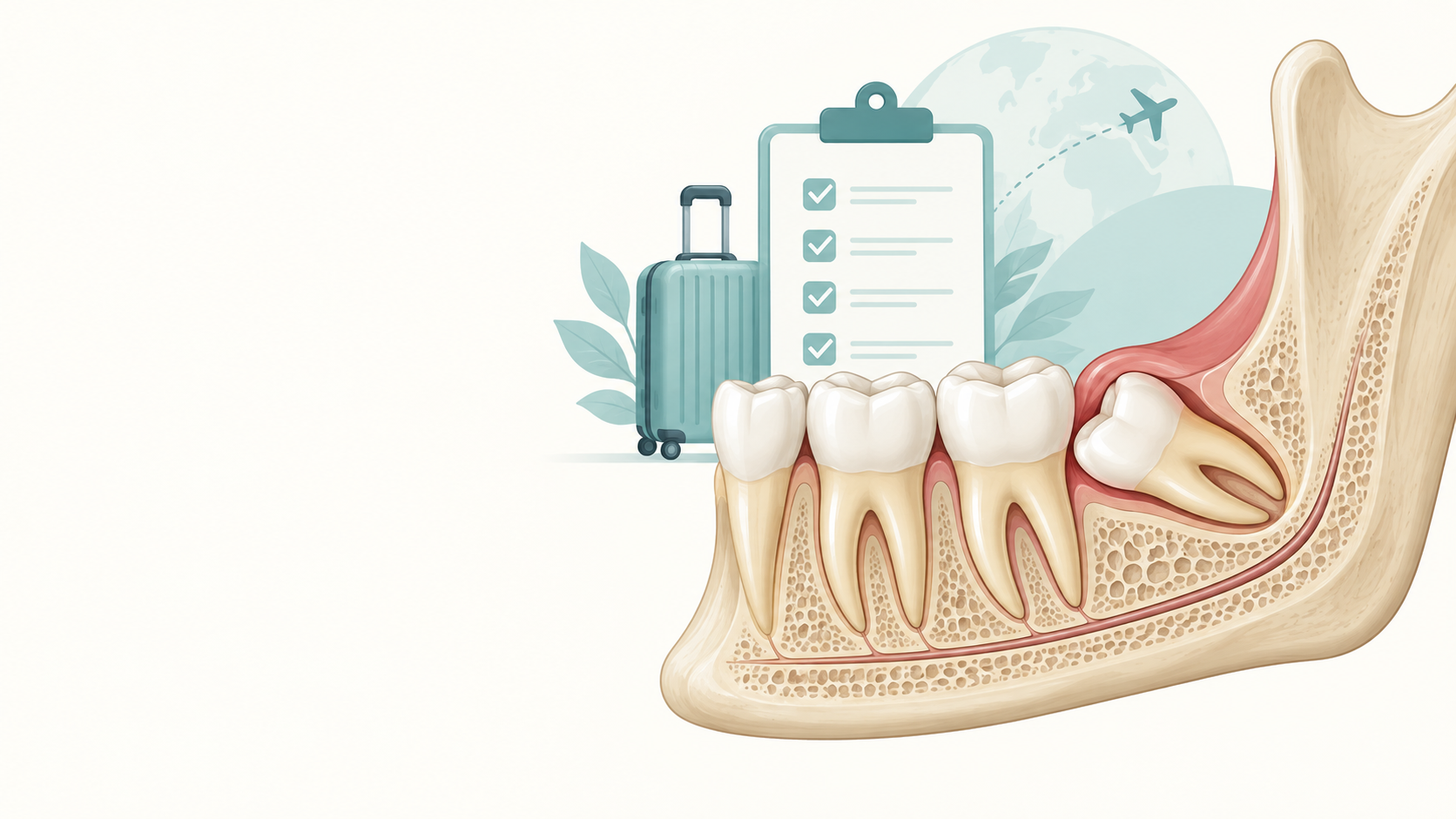
Your Clinic Safety Checklist: 10 Questions to Ask Before Booking
Print this. Screenshot it. Use it when you’re evaluating clinics. Any clinic worth visiting will answer all ten without hesitation.
- Do you hold an International Health Tourism Authorization Certificate from the Turkish Ministry of Health?
- Which implant/veneer/crown brands do you use? Can I verify them independently?
- What are your dentists’ qualifications and specialisations?
- How many cases like mine have you completed in the last 12 months?
- Will I receive a written treatment plan with fixed pricing before I travel?
- What is your sterilisation protocol? Can I see the sterilisation room?
- What guarantee do you offer on the work?
- What happens if I have a problem after I return home?
- Will you provide my full treatment records (X-rays, materials used, clinical notes)?
- Can I see verified patient reviews on independent platforms (Google, Trustpilot)?
At Morsia Dental, we answer these questions on every initial consultation call — before you even ask them. Transparency isn’t a bonus feature. It’s the baseline.
Antalya vs Other Turkish Cities for Dental Tourism
You’ll see dental tourism advertised across several Turkish cities. Here’s why Antalya is different.
Antalya is Turkey’s medical capital. The highest concentration of specialist dentists, the most advanced labs, and the strongest regulatory oversight are all here. The city’s infrastructure — international airport, world-class hotels, reliable transport — makes the logistics easy.
Antalya also has an advantage that’s easy to overlook: dental labs. The quality of your crown, veneer, or bridge depends heavily on the lab that makes it. Antalya houses Turkey’s best dental laboratories, many staffed by internationally trained technicians using CAD/CAM systems. Proximity to a top lab means faster turnaround, better colour matching, and the ability to make adjustments on the spot rather than waiting days.
There’s also something to be said for the city itself. If you’re spending a week abroad for dental work, Antalya offers more to see, eat, and experience than anywhere else in Turkey. The Bosphorus. The food. The Grand Bazaar. It’s a destination, not just a dental appointment.
What International Patients Say About Safety
We can talk about certifications and protocols all day. Here’s what actual patients experienced.
“I was nervous — properly nervous — before my first appointment. Within ten minutes of arriving at Morsia, I relaxed. The clinic was spotless, more high-tech than my NHS practice, and the staff explained everything step by step. I felt safer there than at my dentist in Leeds.”
— Karen M., Leeds, UK
“I’m a nurse, so I notice things. The sterilisation was textbook — sealed instrument packets opened in front of me, proper autoclave labels, single-use everything. Clinically, they did everything right.”
— Amy S., Bristol, UK
“My biggest concern was aftercare. What if something went wrong when I got back to Chicago? They gave me a full file — X-rays, treatment notes, material certificates — and followed up every week on WhatsApp for two months. My local dentist was impressed with the work.”
, David L., Chicago, USA
Red Flags: When to Walk Away
Not every clinic in Turkey is safe. Not every clinic in the UK is safe either. Here are warning signs that apply anywhere in the world:
- No named brands. They say “premium implants” but won’t specify the manufacturer.
- Prices too good to be true. If it’s half the Antalya average, you’re the product, not the patient.
- Pressure to book immediately. “This price is only available today” is a sales tactic, not a clinical decision.
- No physical consultation before treatment. If they want to start drilling before a proper examination and treatment plan, leave.
- Aggressive middlemen. Some patients book through agencies that take large commissions — which either inflates your price or pressures the clinic to cut corners. Book directly with the clinic when possible.
- Can’t provide previous patient references or verified reviews. Silence speaks volumes.
- No treatment records offered. If they won’t give you your own X-rays and clinical notes, something’s wrong.
How Morsia Dental Handles Patient Safety
We’d rather show you than tell you. But since this is a written guide, here’s how we approach safety at every level:
- International Health Tourism Authorization — certified by the Turkish Ministry of Health for treating international patients
- Named, premium material brands only — Straumann, Nobel Biocare, IPS E-max, Katana Zirconia. Every material is traceable with batch numbers and warranty documentation.
- Specialist team — each treatment area (implantology, prosthodontics, endodontics) is handled by a dentist who specialises in that discipline, not a generalist doing everything
- In-house digital lab — CEREC, CAD/CAM milling, 3D printing for surgical guides. We control quality from scan to final restoration.
- Full clinical records — every patient receives their complete file: X-rays, CBCT scans, treatment notes, material certificates, and aftercare instructions
- Written guarantee — on all treatments, with a clear follow-up protocol for patients abroad
- Remote monitoring — WhatsApp follow-up throughout your healing period, with photo reviews and guidance
You may also find it helpful to explore our guides on patient reviews and testimonials, our clinic gallery and facilities, and meet our experienced dental team.
Frequently Asked Questions About Dental Safety in Turkey
Are Turkish dentists qualified?
Yes. Dentistry in Turkey requires a five-year university degree. Many dentists at leading Antalya clinics hold additional postgraduate qualifications, often from European or American institutions. Turkey produces over 3,000 dental graduates per year, and the top clinics attract the best of them.
What happens if my dental work fails after I go home?
A reputable clinic provides a written guarantee. At Morsia Dental, if a treatment fails within the guarantee period, we cover the redo — you arrange travel, we arrange everything else. For minor issues, we guide your local dentist remotely using your treatment records.
Do Turkish dental clinics use the same materials as in the UK?
The good ones do. Straumann implants, E-max veneers, Nobel Biocare components — these are global products used worldwide. The key is confirming which specific brands your clinic uses before you book. Generic terms like “European quality” or “premium ceramic” mean nothing without a brand name.
Is it safe to have dental surgery abroad?
The surgical risks of dental implants or extractions are the same in Antalya as in London. What changes is the clinical environment. At a properly certified clinic with specialist dentists and hospital-grade sterilisation — yes, it’s safe. The risk comes from choosing poorly, not from the geography.
Can my UK dentist continue care after treatment in Turkey?
Absolutely, and they should. We provide a full clinical handover file specifically so your local dentist can take over routine care and monitoring. If we use a globally recognised implant system, any trained dentist can service it.
How do I verify a Turkish dental clinic’s credentials?
Ask for their International Health Tourism Authorization number and verify it with the Turkish Ministry of Health. Check Google and Trustpilot reviews. Ask for references from patients in your country. And trust your instincts — if the communication feels pushy or evasive before you’ve even arrived, it won’t improve once you’re in the chair.
The Bottom Line
Dental treatment in Turkey is safe when you choose a certified, transparent clinic with specialist dentists and internationally recognised materials. It’s not safe when you choose blindly based on the lowest price or a flashy Instagram page.
Do your research. Ask hard questions. Verify credentials. And if a clinic won’t answer your questions openly, they’ve answered the most important one for you.
Send us your X-ray or just your questions. We’ll give you an honest assessment, a fixed-price treatment plan, and answers to anything that’s on your mind. No pressure. Just clarity.
Ready to explore specific treatments? Read our guides on dental implants in Turkey and veneers in Turkey.
References
The clinical information in this article was cross-checked against the peer-reviewed publications listed below.
- Halsey ES et al. Medical Tourism. , 2025. PMID: 41818526
- Potin M et al. Injuries and medical emergencies among international travellers. J Travel Med, 2024. PMID: 37405992
- Gambhir RS et al. Dental public health in India: An insight. J Family Med Prim Care, 2016. PMID: 28348984
This content is for general information only and does not replace an in-person examination, diagnosis or treatment. Please consult a dentist about your own situation.