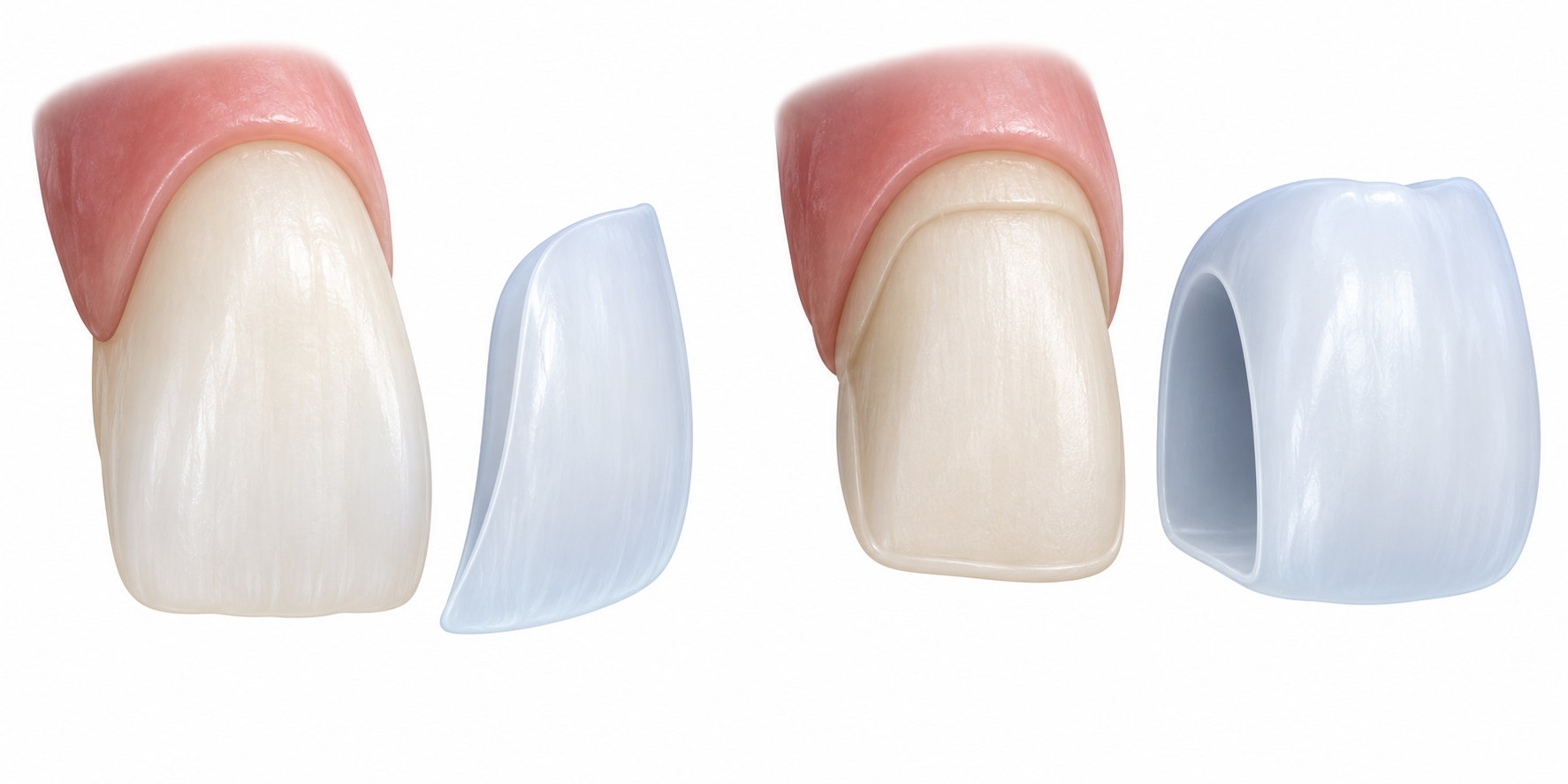

Losing a tooth changes more than your smile. It shifts how you chew, how you speak, and sometimes how confident you feel saying hello. A dental bridge in Turkey is one of the most popular ways our patients close that gap, and for good reason: it restores function quickly, looks natural, and costs a fraction of what you would pay back home. At our clinic in Antalya, we fit bridges for patients arriving from across the UK and Europe every week, so the questions below are the ones we hear at the chair almost daily.
This guide walks you through what a bridge actually is, the different types, realistic 2026 pricing, how the procedure works, and how a bridge stacks up against a dental implant. We have kept it practical rather than salesy, because the right choice genuinely depends on your mouth, not on what is most profitable for a clinic.
What Is a Dental Bridge?
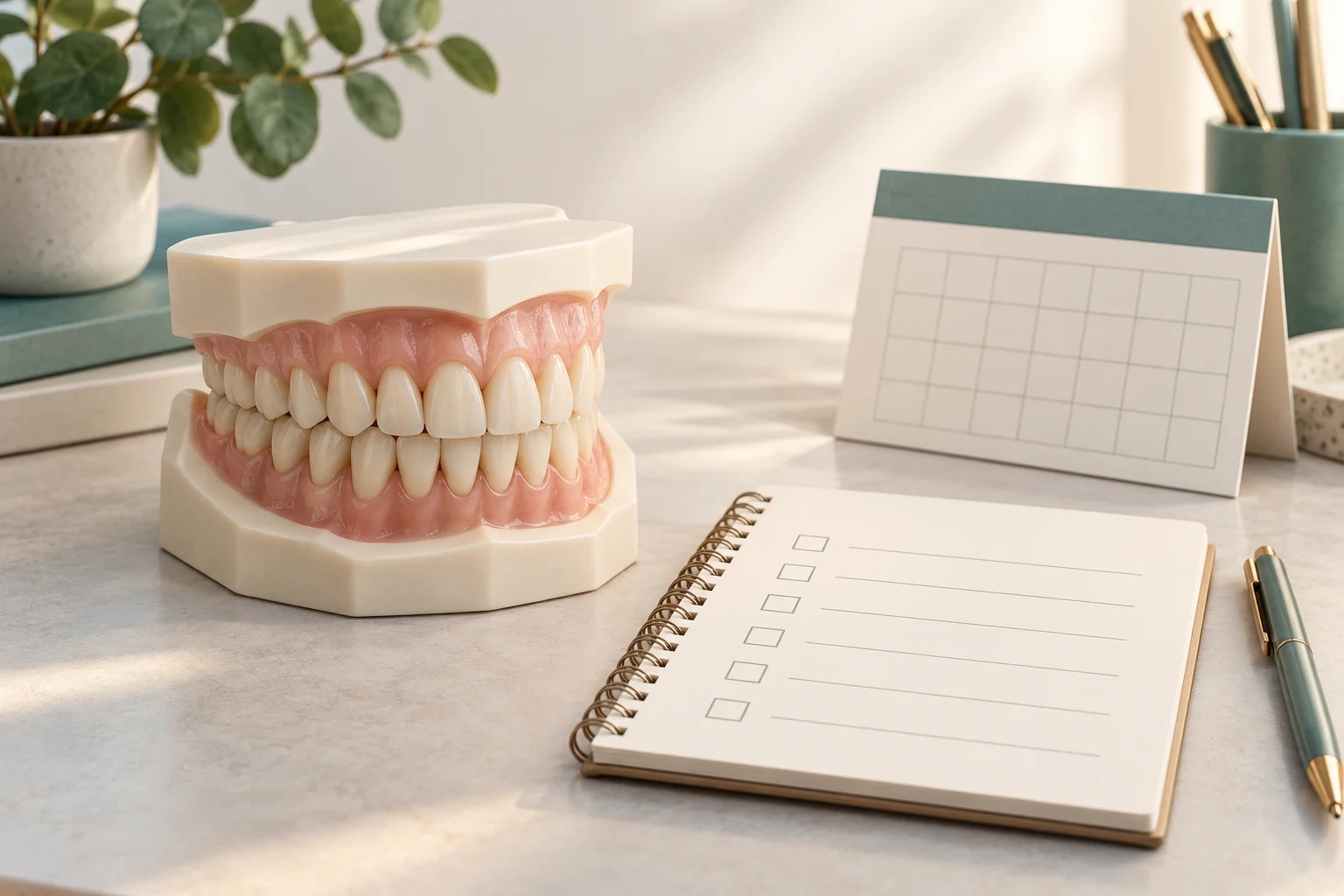
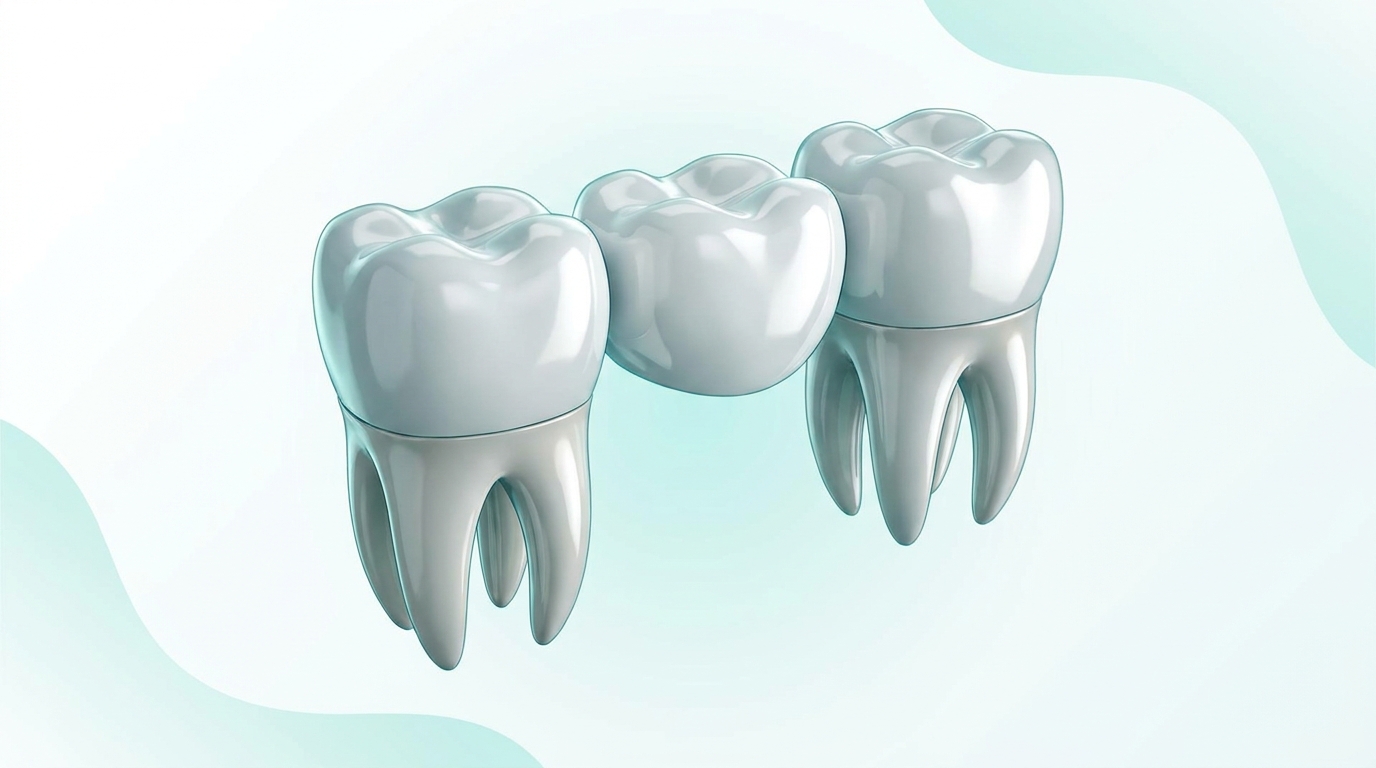
A dental bridge does exactly what the name suggests: it bridges the space left by one or more missing teeth. A false tooth (called a pontic) sits in the gap, held in place by support on either side. That support usually comes from the crowns used to anchor a bridge, which are fitted over your neighbouring teeth, or from dental implants.
There isn’t a single type of bridge, and that matters. The structure of your jaw, the health of the teeth around the gap, and how many teeth are missing all point toward a different design. Here are the four you are most likely to be offered.
Traditional Bridge
The classic. The two teeth on either side of the gap are reshaped and capped with crowns, and the pontic hangs between them. It is strong, well-proven, and ideal when you have healthy natural teeth flanking the gap. The trade-off? Those neighbouring teeth have to be filed down to take the crowns, and that is permanent.
Cantilever Bridge
A cantilever bridge anchors to a tooth on only one side of the gap. It is useful when there is just a single supporting tooth available, often at the back of the mouth. We tend to use it sparingly because putting all the chewing load on one anchor tooth can stress it over time, so it suits low-pressure areas best.
Maryland (Adhesive) Bridge
This is the conservative option. Instead of crowning the neighbouring teeth, a Maryland bridge uses thin metal or porcelain “wings” bonded to the back of them. Barely any natural tooth is removed, which is a real advantage. It is most often chosen for front teeth, where the bite force is gentler, though it is generally less robust than a traditional bridge.
Implant-Supported Bridge
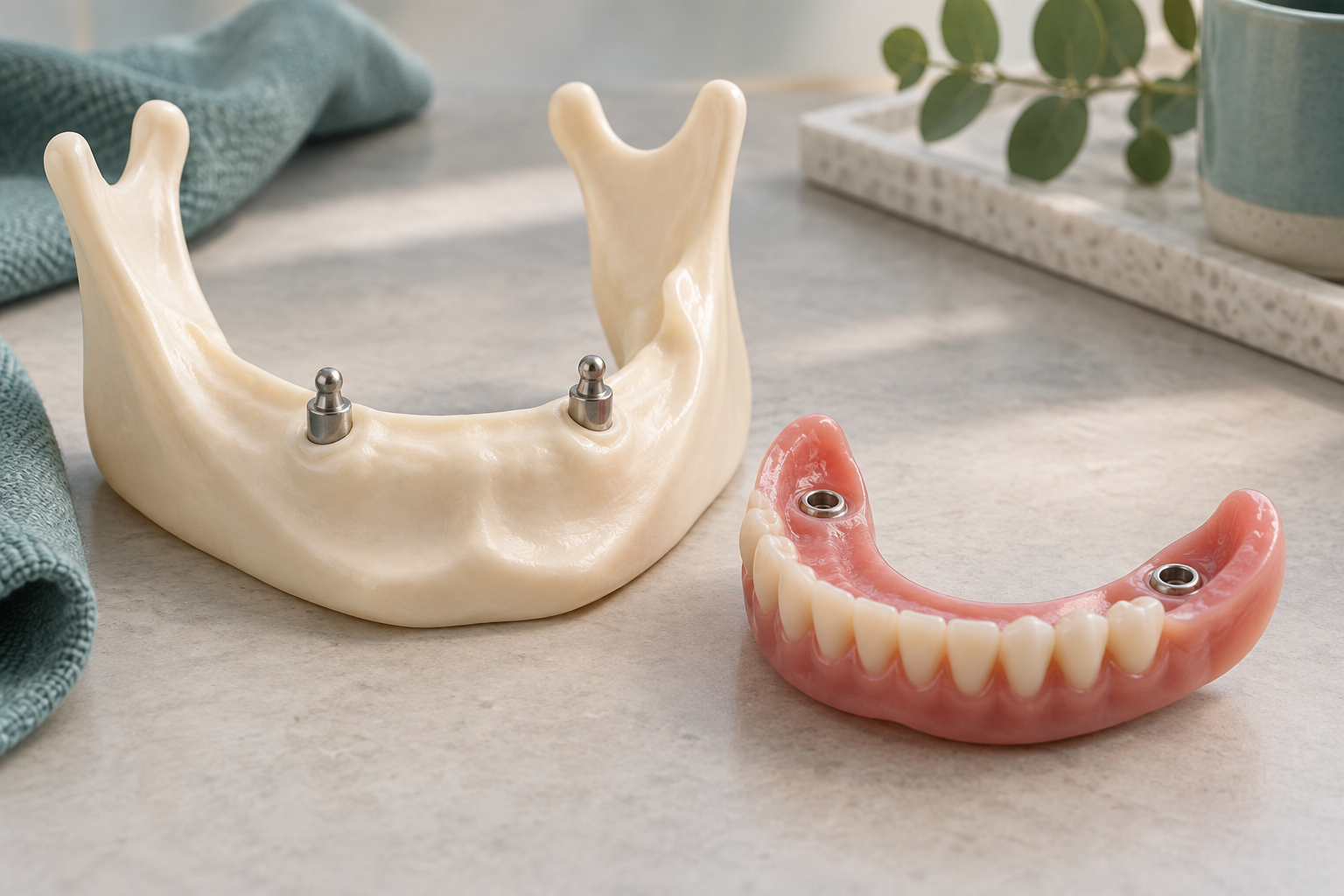
Here the bridge rests on dental implants rather than your natural teeth. It is the go-to when several teeth in a row are missing, or when the neighbouring teeth simply aren’t strong enough to act as anchors. You get the stability of implants without an implant for every single missing tooth, which can keep costs sensible across a larger gap.
When Do You Need a Dental Bridge?
Not every gap needs filling immediately, but most do eventually. A missing tooth rarely stays a tidy, isolated problem. Over months and years, the teeth on either side begin to drift, the opposing tooth can over-erupt, and your bite quietly changes. A bridge is often recommended when:
- You are missing one or a few teeth in a row and the surrounding teeth are healthy.
- You want a fixed solution rather than a removable denture.
- You would prefer to avoid surgery, which a tooth-supported bridge allows.
- You are restoring chewing function and want to protect your remaining teeth from drifting.
That said, a bridge is not always the answer. If your jawbone has already lost volume, or you would rather not touch the adjacent teeth, you may be a better candidate for dental implants as an alternative. A proper clinical assessment is the only way to know for sure, and individual results always vary.
Dental Bridge Cost in Turkey (2026)
This is usually the first thing patients ask, so let’s be straightforward: there is no single figure to quote. The treatment plan and its cost are set individually after a clinical assessment. What changes it is the bridge type, the material chosen (zirconia, E-max or a metal-based option), how many units you need and the condition of the teeth that will carry the bridge.
The saving compared with the UK is significant, and it is the main reason patients travel. What we’d gently caution against is treating price as the only number that matters. The quality of the materials, the lab work, and the dentist’s experience all sit behind that figure. We use German and Swiss-origin materials precisely so that “affordable” never has to mean “compromised.”
If you would like the full picture, including accommodation and transfers, many patients combine treatment with our all-inclusive treatment packages.
Prices are for informational purposes only. Contact our clinic for an accurate quote.
Bridge Cost: Turkey vs UK
Here is the comparison most patients are really after. The table below shows indicative ranges for a standard 3-unit bridge. These are ballpark figures to help you plan, not fixed quotes.
| Bridge Type (3-unit) | Turkey (indicative) | UK (indicative) |
|---|---|---|
| Porcelain-fused-to-metal | Assessed individually | Assessed individually |
| Zirconia / E-max | Assessed individually | Assessed individually |
| Maryland (adhesive) | Assessed individually | Assessed individually |
Even after factoring in flights and a few nights’ stay, most patients still come out comfortably ahead, particularly when more than one tooth is involved. The gap in pricing reflects lower overheads and labour costs in Turkey rather than lower standards. We use the same calibre of materials you would find in a good private UK practice.
Prices are for informational purposes only. Contact our clinic for an accurate quote.
Dental Bridge Procedure — What to Expect
People often imagine the process is more dramatic than it is. For a tooth-supported bridge, there is no surgery involved. Here is roughly how it goes when you visit us:
- Assessment and planning. We examine the gap and the surrounding teeth, take digital scans, and use our network of imaging centres for X-rays where needed.
- Preparing the anchor teeth. The supporting teeth are reshaped under local anaesthetic so the crowns will fit snugly. You shouldn’t feel pain during this, though some sensitivity afterwards is normal.
- Impressions and a temporary bridge. We take precise impressions for the lab and fit a temporary bridge so you are never left with a visible gap.
- Fitting the final bridge. Once the lab has crafted your permanent bridge, we check the fit, the colour, and your bite, then bond it into place.
For most patients the active treatment is wrapped up within a short trip. You can read more about how we manage the whole journey on the page for our dental bridge treatment in Antalya, which covers the local, in-person experience in more detail. A dedicated patient coordinator stays with you throughout, which makes the logistics far less stressful than people expect.
How Long Does a Dental Bridge Last?
A well-made bridge that is looked after typically lasts somewhere between 10 and 15 years, and many go well beyond that. The big variables are your oral hygiene, the health of the supporting teeth, and whether you grind your teeth at night. Longevity is never guaranteed, and outcomes vary from person to person, but the habits below genuinely move the needle:
- Brushing twice daily and cleaning under the bridge with floss threaders or interdental brushes.
- Keeping up with regular check-ups so small problems are caught early.
- Wearing a night guard if you clench or grind.
- Going easy on very hard foods that can stress the bridge.
Dental Bridge vs Dental Implant — Pros and Cons
This is the decision that keeps a lot of patients up at night, so let’s lay it out plainly. Both are excellent solutions; they simply suit different situations.
| Factor | Dental Bridge | Dental Implant |
|---|---|---|
| Surgery | None (tooth-supported) | Yes, implant placed in jaw |
| Treatment time | Shorter, often one trip | Longer, healing period needed |
| Affects neighbouring teeth | Yes, they are reshaped | No, stands alone |
| Protects jawbone | Limited | Yes, stimulates bone |
| Typical lifespan | 10–15 years | Often longer with care |
| Upfront cost | Lower | Higher |
In short: if your neighbouring teeth are healthy and you want a faster, lower-cost fix without surgery, a bridge often wins. If you would rather preserve those teeth and protect the bone for the long term, an implant may be the smarter investment. There is no universally “better” option, only the one that is better for you, which is exactly what an assessment is for.
Caring for Your Dental Bridge
A bridge is low-maintenance, but it is not no-maintenance. The area underneath the pontic, where it meets the gum, is the spot people most often miss. Get into the habit of cleaning there daily and your bridge will repay you. A few simple pointers:
- Use a floss threader or a water flosser to clean beneath the false tooth.
- Brush gently along the gumline around the anchor crowns.
- Don’t skip your routine dental visits, even when everything feels fine.
- If anything feels loose or sensitive, get in touch sooner rather than later.
Look after the teeth holding your bridge, and you look after the bridge itself. It really is that simple. If you are weighing up your options or want an honest opinion on whether a bridge suits your case, our team is always happy to take a look and talk it through.
Frequently Asked Questions
How much does a dental bridge cost in Turkey?
A 3-unit bridge has no fixed figure: the plan and its cost are set individually after a clinical assessment. What changes it is the number of units, the material chosen (zirconia, E-max or a metal-based option), the condition of the supporting teeth and whether any preparatory treatment is needed beforehand. Contact our clinic for a plan prepared for your own case.
How long does a dental bridge last?
With good oral hygiene and regular check-ups, a dental bridge usually lasts around 10 to 15 years, and often longer. Longevity depends on how well you clean around it, the health of the supporting teeth, and whether you grind your teeth. Results vary from person to person.
Is a dental bridge better than an implant?
Neither is universally better; it depends on your situation. A bridge is faster, lower-cost and needs no surgery, but it reshapes the neighbouring teeth. An implant preserves those teeth and the jawbone but takes longer and costs more upfront. A clinical assessment is the best way to decide.
Can a dental bridge be done in one visit?
A tooth-supported bridge usually involves preparing the teeth and fitting the final bridge once the lab has made it, so it is generally completed over a short trip rather than a single appointment. We fit a temporary bridge in the meantime so you are never left with a visible gap.
What happens to the teeth next to a dental bridge?
For a traditional bridge, the teeth on either side of the gap are reshaped and capped with crowns to act as anchors, which is permanent. Conservative options like a Maryland bridge remove far less tooth. We always discuss how each design affects your natural teeth before treatment.
References
The clinical information in this article was cross-checked against the peer-reviewed publications listed below.
- Morton D et al. Group 2 ITI Consensus Report: Prosthodontics and implant dentistry. Clin Oral Implants Res, 2018. PMID: 30328196
- Habibzadeh S et al. Full-ceramic resin-bonded fixed dental prostheses: A systematic review. J Appl Biomater Funct Mater, 2024. PMID: 38706266
- Kondo Y et al. Implant-supported fixed prostheses with cantilever: a systematic review and meta-analysis. Int J Implant Dent, 2024. PMID: 39570465
This content is for general information only and does not replace an in-person examination, diagnosis or treatment. Please consult a dentist about your own situation.
What Determines the Cost of Dental Bridge in Turkey?
There is no single fixed figure for this treatment. The final plan — and therefore the cost — is shaped by the clinical findings recorded during examination. The factors below are the ones that make the biggest difference:
| Factor | Why it changes the cost |
|---|---|
| Scope of treatment | How many teeth or regions are included in the plan |
| Technique and materials | The clinical method chosen and the materials it requires |
| Diagnostic imaging | Examination, radiographs and digital planning steps |
| Preliminary treatments | Any procedure that must be completed before the main treatment |
| Number of sessions | How many appointments the plan is spread across |
| Laboratory work | Whether custom laboratory production is involved |
| Follow-up care | Review appointments included after treatment |
Your treatment plan is prepared individually after a clinical examination; the applicable figure is shared with you at that stage.