Last updated: 28 September 2026
Bleeding gums are easy to dismiss, especially when there is no pain. Yet repeated bleeding, swelling or a change in how teeth feel deserves a dental assessment; symptoms alone cannot show whether the problem is gingivitis or periodontitis. This guide explains the warning signs, what a dentist checks and how treatment differs. It is general information, not a diagnosis or a promise about the result of care.
This guide is here to help you read the early signals and understand what is actually happening beneath the gumline. We will walk through the stages from mild gingivitis to advanced periodontitis, the warning signs worth taking seriously, how it is treated, and the honest point at which a tooth can or cannot be saved. None of this replaces an examination, but it should help you decide whether what you are seeing in the mirror needs attention now rather than “at some point.”
What gum disease actually is
Gum disease describes inflammation of the tissues around the teeth associated with dental plaque. Gingivitis affects the gums; periodontitis involves loss of periodontal attachment and supporting bone. Plaque left along the gumline can harden into calculus, which requires professional removal. A dentist distinguishes the conditions through an examination rather than symptoms alone.
Periodontitis may develop without obvious pain. Bleeding, swelling, recession, tooth mobility or a change in bite are reasons to arrange an assessment, even when the gums do not hurt. Severe swelling, loose teeth or a mouth lump warrant urgent dental advice.

Gingivitis vs periodontitis: the line that matters
People often use these two words as if they mean the same thing, but the distinction is the single most useful idea in this whole subject, so it is worth being clear.
Gingivitis is gum inflammation without periodontitis-related attachment or bone loss. Redness, swelling and bleeding can improve with effective plaque control and professional advice. A dentist can check for other causes of bleeding.
Periodontitis involves loss of supporting tissue around a tooth. It may follow persistent plaque-related inflammation, but not every episode of gingivitis progresses to periodontitis. Lost attachment is not restored by brushing alone; treatment aims to control inflammation and reduce the risk of further damage.
Gingivitis and periodontitis: a practical comparison
The table is a guide to questions worth discussing, not a way to diagnose your own stage. Periodontitis staging and grading require a periodontal examination and, where appropriate, radiographs.
| Finding | What it may mean | Next step |
|---|---|---|
| Bleeding or swollen gums | Possible gingivitis or another cause; bone loss cannot be judged at home | Book a dental assessment and review home care |
| Recession or persistent bleeding | Periodontal disease may be present | Ask for gum measurements and a diagnosis |
| Loose or shifting teeth | Possible advanced disease or another urgent problem | Seek prompt dental assessment |
Earlier assessment can make treatment less complex, but the appropriate care depends on the diagnosis and your individual risk factors. Do not assume that a cleaning alone is enough or that a loose tooth cannot be treated.
Warning signs worth taking seriously
You do not need a dental degree to spot the early flags. The trick is to treat them as information rather than something to wait out. The signs we ask patients to watch for include:
- Gums that bleed when you brush or floss — the most common early sign, and the one most often dismissed
- Red, swollen or tender gums, rather than the firm pink of healthy tissue
- Persistent bad breath or a lingering bad taste that brushing does not fix
- Gums that look as though they are pulling back, making teeth appear longer
- A change in how your teeth fit together when you bite
- Teeth that feel slightly loose, or gaps opening up that were not there before
- Sensitivity around the gumline as roots become exposed
One bleeding episode after vigorous flossing is rarely a crisis. Bleeding that happens regularly, day after day, is the signal that genuinely warrants a look. If you are seeing several of these signs together, that is the point to get assessed rather than to keep an eye on it.
What causes it – and who is most at risk
Plaque-related inflammation is central to periodontal disease. Smoking and diabetes are important risk factors, and individual health history can affect risk and treatment planning. Tell your dentist about tobacco use, medical conditions and medicines rather than trying to judge risk from symptoms alone.
None of these guarantees gum disease, and plenty of people with risk factors keep healthy gums with good habits. But if one or more applies to you, it is worth being more vigilant about the early signs rather than less.
How gum disease is treated
Treatment starts with a diagnosis and advice on effective daily cleaning. For gingivitis, professional cleaning may be recommended alongside brushing and interdental cleaning. The gums may improve when plaque-related inflammation is controlled, but the plan depends on the examination.
For periodontitis, a dentist may recommend subgingival instrumentation (deep cleaning), risk-factor management and reassessment. Some people need referral for specialist periodontal treatment. Local anaesthesia, surgery or tooth removal are individual decisions, not inevitable steps. Ask which findings support the proposed plan and when the gums will be reviewed.
What happens if you leave it
Untreated periodontitis can cause further loss of supporting tissue and, in advanced cases, tooth loss. The course varies between people and is assessed through measurements and follow-up. If you have diabetes or another relevant condition, mention it to your dental team so care can be coordinated appropriately.
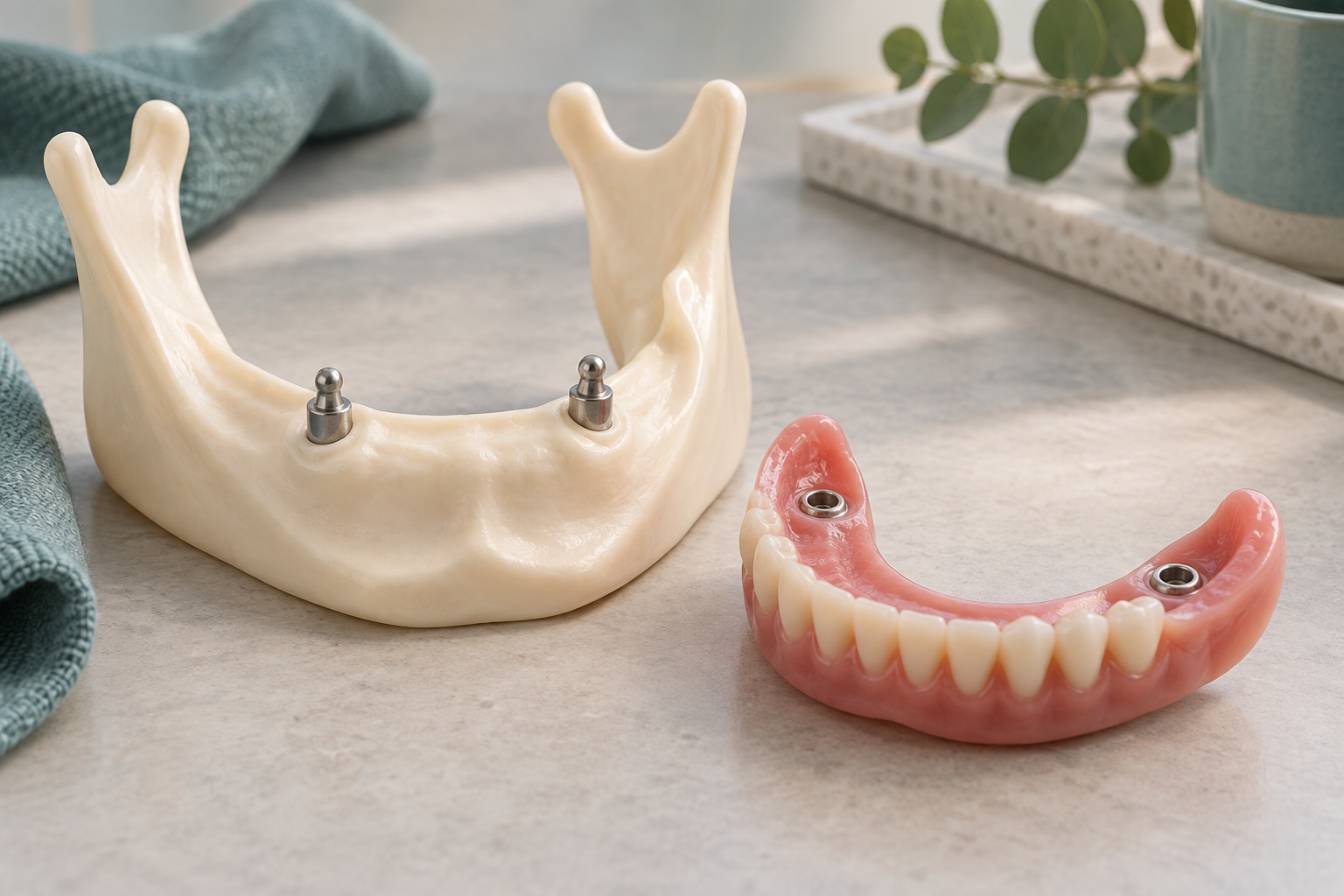
Where teeth have already been lost to gum disease, replacement is possible, though it asks more of the foundation. Healthy bone and gums are what implants rely on, so anyone considering dental implants after periodontitis needs the disease brought under control first. Treating the gum disease is not just about saving the teeth you have — it protects your options for the future too.
What determines the cost of gum care?
The cost depends on the diagnosis, the number of affected teeth, whether subgingival treatment or specialist referral is needed, and follow-up care. We do not publish an unverified UK-versus-Antalya price comparison. Request a written, itemised estimate after an assessment and ask what is included before arranging travel.
Questions to ask at your assessment
Ask how your gum health will be measured, whether radiographs are needed, what diagnosis and treatment options the findings support, and when response to treatment will be reassessed. If you are travelling, discuss the expected number of visits and how follow-up can be arranged at home. An online conversation cannot replace a periodontal examination; see our consultation information for the available contact route.
Frequently Asked Questions
Can gum disease be cured, or only managed?
Gingivitis can improve when plaque-related inflammation is controlled. Periodontitis-related attachment and bone loss are not reversed by home cleaning; professional treatment and maintenance aim to control the disease. Your dentist can explain the diagnosis and prognosis after examination.
Is bleeding when I brush always a sign of gum disease?
No. Bleeding can have different causes, but repeated bleeding during brushing or flossing should be checked by a dentist. Do not wait for pain before asking for advice.
How is the cost of gum disease treatment calculated?
A reliable estimate requires an assessment of the gums and a treatment plan. Ask for a written breakdown covering treatment visits, possible specialist care and follow-up; we cannot substantiate a general UK-versus-Antalya price range for your case.
Will I lose my teeth if I have periodontitis?
Not necessarily. The risk depends on disease severity, individual factors, treatment response and ongoing maintenance. A dentist can assess which teeth are at risk and discuss the options without promising a particular outcome.
Can I have dental implants if I have had gum disease?
Possibly, but periodontal health and bone support must be evaluated first. Active disease should be addressed before implant planning; suitability and follow-up needs are individual clinical decisions.
References
The following publications provide general information on periodontal diagnosis and treatment; they do not substantiate clinic prices, patient outcomes or individual diagnoses.
- Sanz M et al. Treatment of stage I-III periodontitis-The EFP S3 level clinical practice guideline. J Clin Periodontol, 2020. PMID: 32383274
- Tonetti MS et al. Staging and grading of periodontitis: Framework and proposal of a new classification and case definition. J Periodontol, 2018. PMID: 29926952
- Papapanou PN et al. Periodontitis: Consensus report of workgroup 2 of the 2017 World Workshop on the Classification of Periodontal and Peri-Implant Diseases and Conditions. J Periodontol, 2018. PMID: 29926951
This content is for general information only and does not replace an in-person examination, diagnosis or treatment. Please consult a dentist about your own situation.