“Turkey teeth gone wrong” is an online description, not a diagnosis. If you have pain, a loose restoration, an uncomfortable bite or a result you dislike after dental treatment, the next step is to identify the problem through a dental assessment. A photograph or the country where treatment took place cannot establish the cause or promise what can be repaired.
The relevant prosthetic specialist at Morsia Dental in Antalya is Dr. Dt. Aykut Önol — Prosthodontist. This educational guide helps you organise a second opinion; it does not describe his personal caseload or document an individual clinical review.
First, decide whether you need urgent help
A suspected dental abscess needs urgent dental care. Severe tooth or gum pain, swelling, fever or a bad taste can be warning signs. Do not wait for a flight back to the treating clinic before seeking help nearby.
Seek emergency care immediately for difficulty breathing, speaking or swallowing, substantial swelling in the mouth, difficulty opening your mouth, a swollen or painful eye or changes in vision. In the UK, call 999 or attend A&E; NHS 111 can help you find urgent dental care if you cannot reach a dentist. Outside the UK, use local emergency services. These symptoms cannot be safely assessed through a smile photograph.
Separate the complaint from the diagnosis
A useful second-opinion request describes what you notice without deciding in advance that every crown must be replaced. Keep these three categories separate:
- Symptoms: describe pain, sensitivity, swelling, bleeding or difficulty eating, when they began and whether they are changing. Do not label every symptom as normal healing.
- Restoration concerns: say whether a crown or veneer feels loose, chipped or uncomfortable when your teeth meet. Ask for a review rather than trying to adjust it yourself.
- Appearance concerns: identify the shade, shape or other feature you dislike. A change in appearance does not, by itself, establish infection or the need for extraction.
More than one category can apply. The dentist needs to relate your description to the actual teeth, gums and restorations. Ask which findings explain the complaint, which remain uncertain and whether any further tests or specialist assessment are needed. The tests should be chosen for your situation, not purchased as a fixed checklist.
Why the original procedure matters
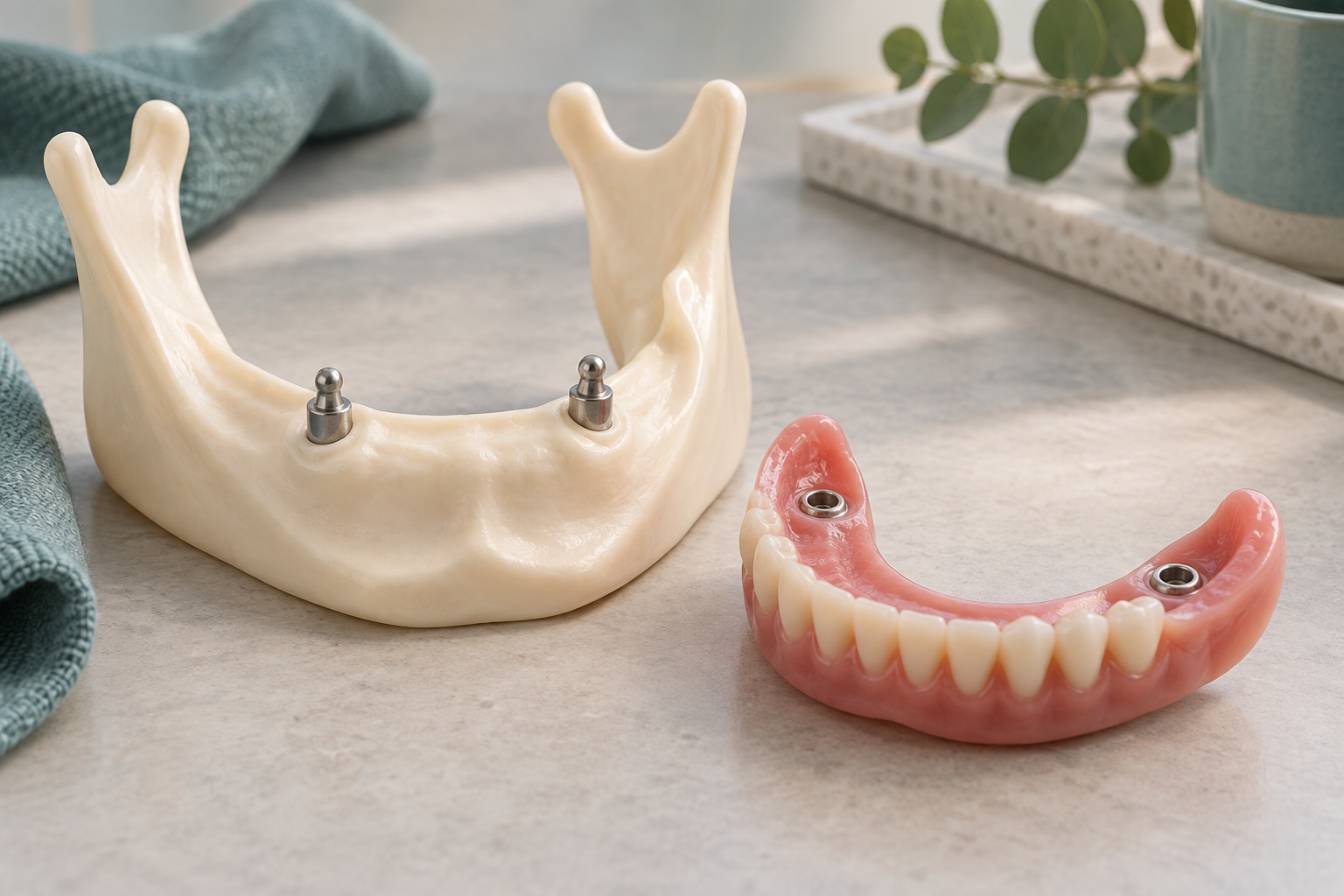
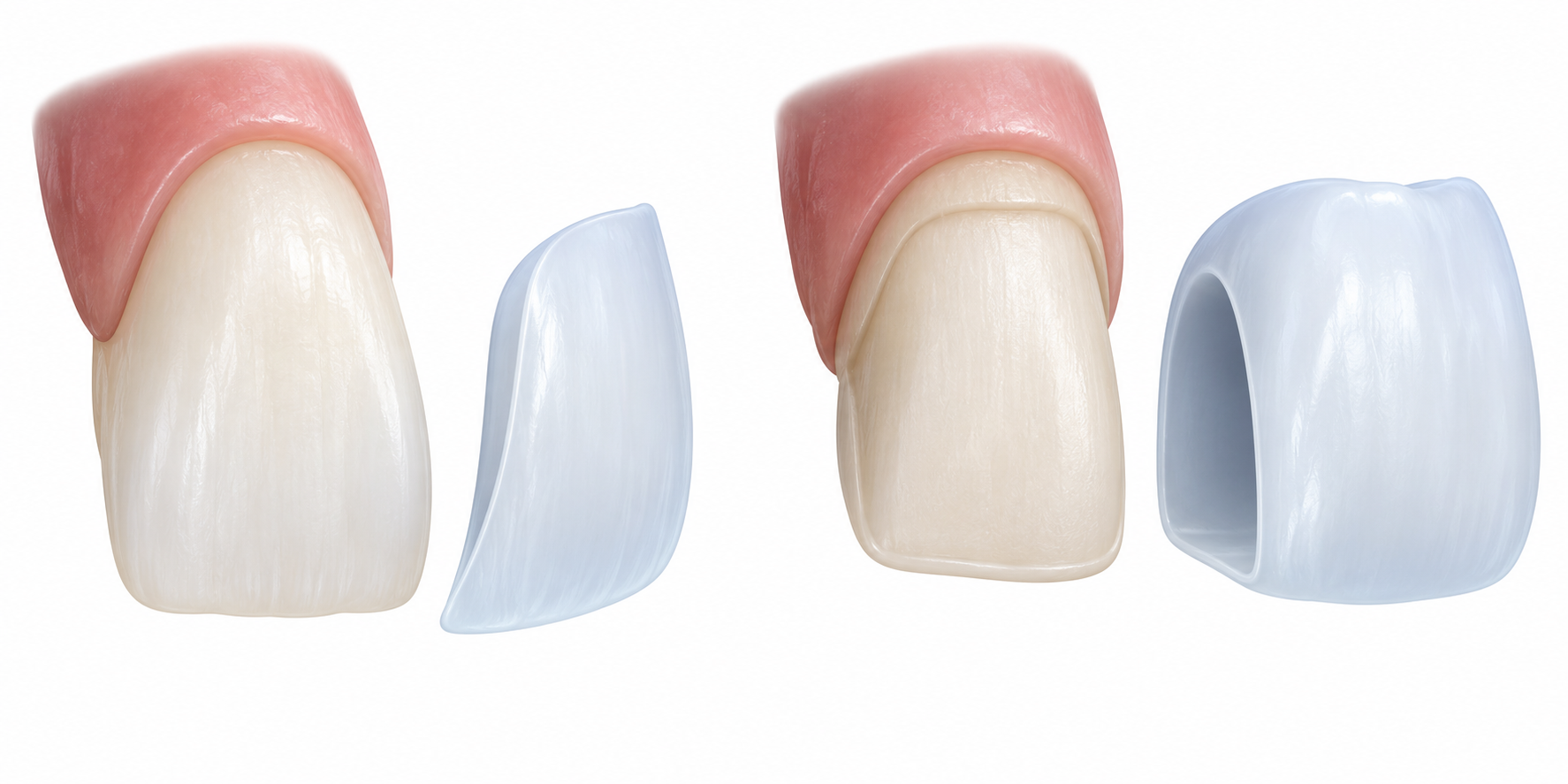
A veneer covers the front surface of a tooth; a crown covers the tooth more extensively. These are different from an implant-supported replacement tooth. Knowing what was actually fitted is more useful than the label “Turkey teeth”. Read the explanation of that term if your records use unclear wording.
Crown fitting involves shaping the tooth to make space. Veneer preparation also commonly removes enamel and is not reversible. Replacing a restoration does not make removed tooth structure grow back. Ask what remains to support another restoration before accepting a new cosmetic proposal.
Decay or gum disease should not be hidden beneath a new aesthetic treatment. Veneers can chip, crack or loosen over time, and an uncomfortable bite after placement should be reported to the dentist. These possibilities are reasons for assessment, not proof of what caused your own symptoms.
What might be repaired — and what needs an individual decision?
There is no single corrective procedure for everyone using this search phrase. The treatment discussion should start with the identified problem and the condition of each tooth, not a promise to replace an entire smile.
A restoration problem
A damaged veneer may need re-bonding, repair or replacement. Ask whether a limited intervention is appropriate, why a replacement is proposed and what will happen to the tooth underneath. A new material or a more expensive package is not a substitute for a diagnosis.
An infected tooth
Root canal treatment removes infection inside a tooth and seals it. A dentist may recommend it for an infected tooth, sometimes with further restoration afterwards. In other circumstances the tooth may need removal. Ask for the reason, the alternatives and the limits of the proposed treatment; do not assume that pain automatically means an implant is needed.
A cosmetic disagreement
Bring a specific description of what was agreed and what you now see. Ask whether the concern can be addressed without another irreversible step. Before any new work, clarify how shape and shade will be discussed, which decisions you can review and what cannot be changed once treatment proceeds.
Prepare a second-opinion file
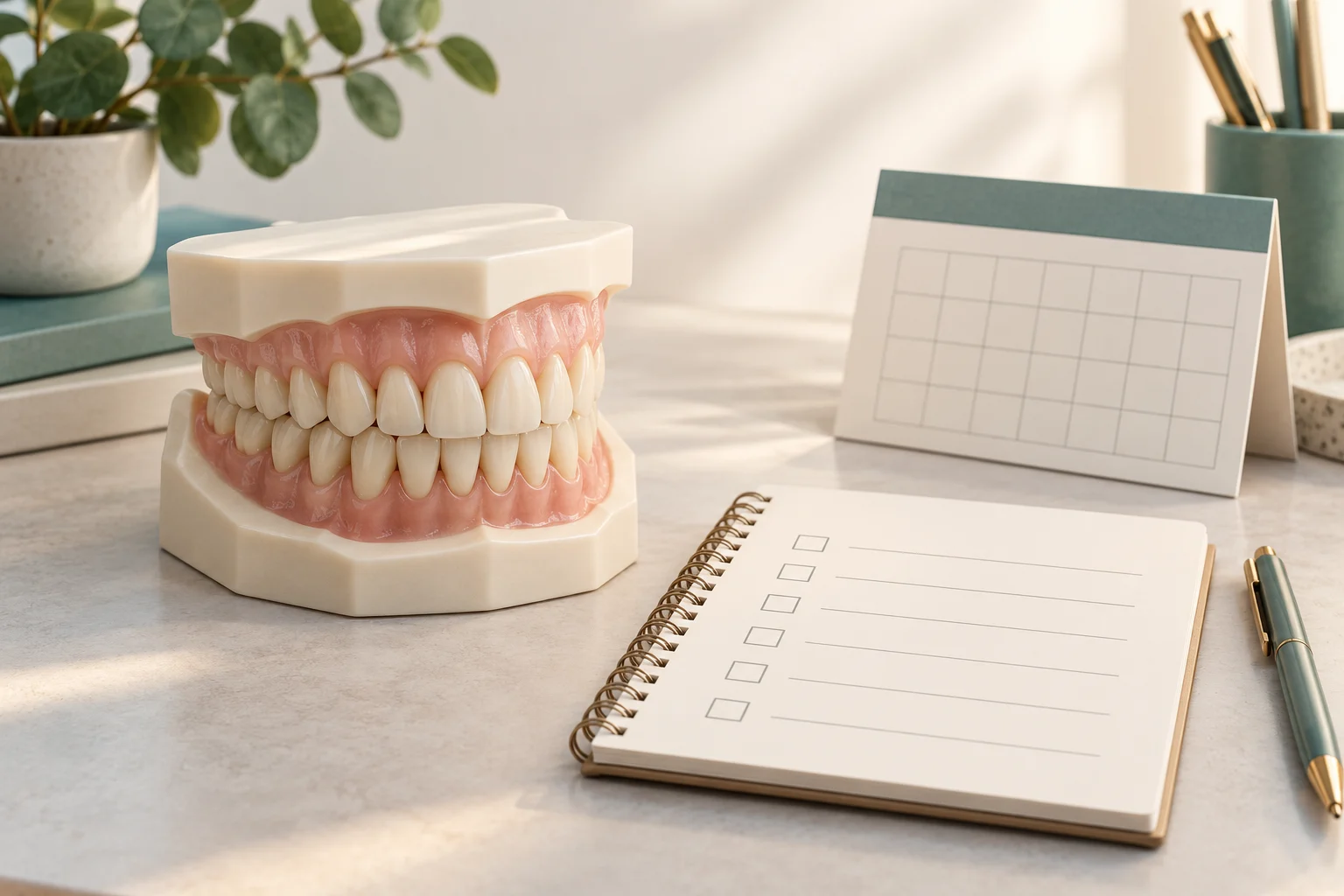
The following is an organisation worksheet, not a claim that every item is available or that a remote review can replace an examination:
- Make a dated symptom note. Record the affected area, what triggers the complaint, whether it is worsening and any care already received. Include urgent symptoms when arranging the appointment.
- Request your existing records. Ask the treating clinic for the treatment plan, procedure and material details, consent information, relevant images and aftercare instructions. Tell the new dentist if something is unavailable.
- List your priorities. Separate relief of symptoms and restoration function from the changes you would like in appearance.
- Ask for a written explanation. Which tooth needs which intervention, what evidence supports it, what can be retained and what are the alternatives, including not proceeding with elective work?
- Clarify the sequence. What must be addressed first, what would change the proposal and when will the plan be reviewed?
A practical enquiry is: “I had crowns or veneers fitted on these teeth. Since this date I have noticed this problem. Which records should I bring, and do my symptoms need urgent care before an elective second opinion?” Avoid posting identifiable health records in public review threads.

Travel, costs and aftercare before agreeing to corrective work
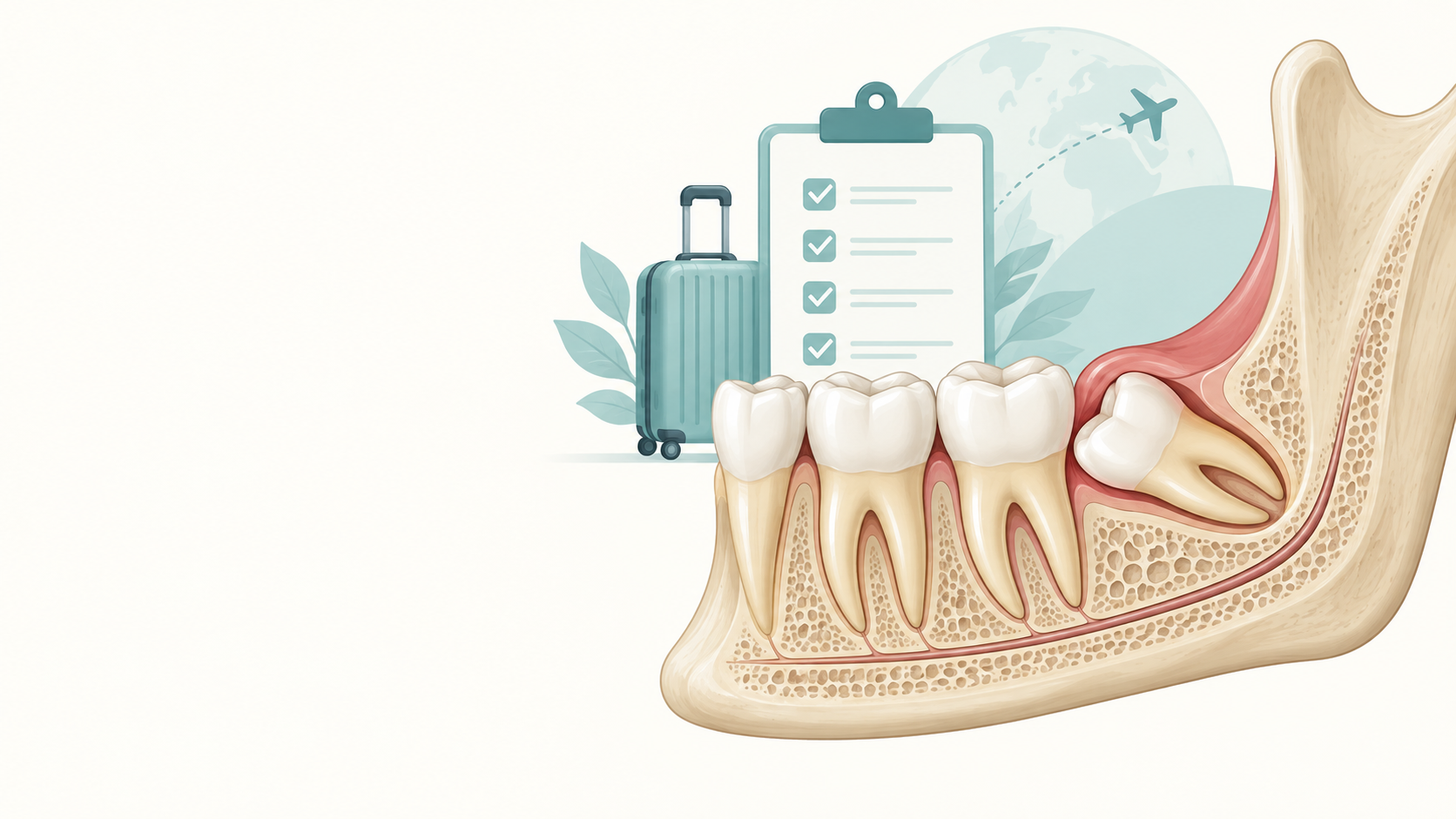
If you are considering an assessment in Antalya, first discuss urgent symptoms with a dentist where you are. Before committing to further travel, ask who will assess and treat you, what their qualifications are, and which regulatory and complaint arrangements apply.
Request a written estimate based on assessment. Clarify the clinical work, visits and follow-up included; who pays if additional treatment, accommodation or travel becomes necessary; and how a changed plan will be agreed. This guide does not provide an unverified Morsia corrective-treatment price, warranty or completion time.
Arrange a contact route for concerns and discuss continuity of care with your usual dentist. A promised warranty and accessible aftercare are different questions. Do not assume a dentist in your home country will carry out elective remedial work without a separate assessment or charge.
Common questions
Can all the work be fixed?
That cannot be promised without an examination. Ask the dentist to distinguish what can be repaired, what would need replacement and what permanent changes cannot be reversed.
Do all my crowns have to come off?
Do not decide this from an online photograph or a package quote. Ask for a tooth-by-tooth explanation of why any restoration needs intervention and what can be retained.
Should I wait a set number of weeks for discomfort to settle?
This guide cannot set a safe waiting period for your symptoms. Contact a dentist about persistent or worsening concerns, and follow the urgent and emergency advice above when relevant.
Are online “gone wrong” pictures evidence of a clinic’s complication rate?
No. A selected image or reported case does not provide the starting condition, full records or the total number of treatments needed to calculate a rate. It also cannot determine the repair plan for a different person.
How do I arrange an assessment?
You can contact Morsia Dental to ask about assessment arrangements and the records to bring. An enquiry is not a confirmed appointment, diagnosis or treatment plan.