“Turkey teeth” is a popular label, not the name of a dental procedure. It can refer to a smile changed with crowns, veneers or other treatments in Turkey. Before comparing photographs or booking a package, ask which treatment is proposed for each tooth, why it is needed and what alternatives exist.
At Morsia Dental in Antalya, the relevant prosthetic specialist is Dr. Dt. Aykut Önol — Prosthodontist. This educational guide helps you prepare questions for an individual assessment; it is not a diagnosis or a record of a personal clinical review.
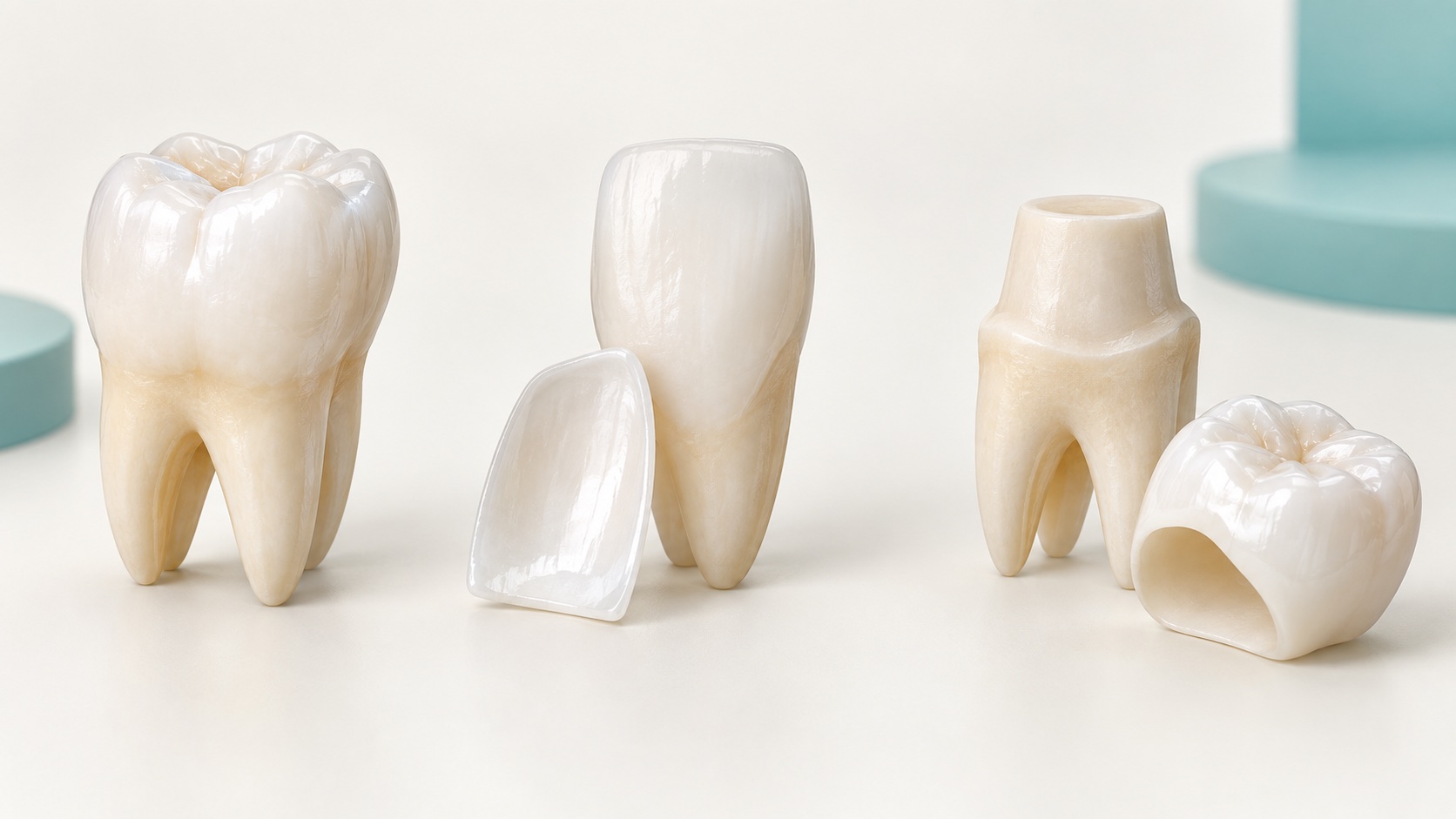
What does the term actually cover?
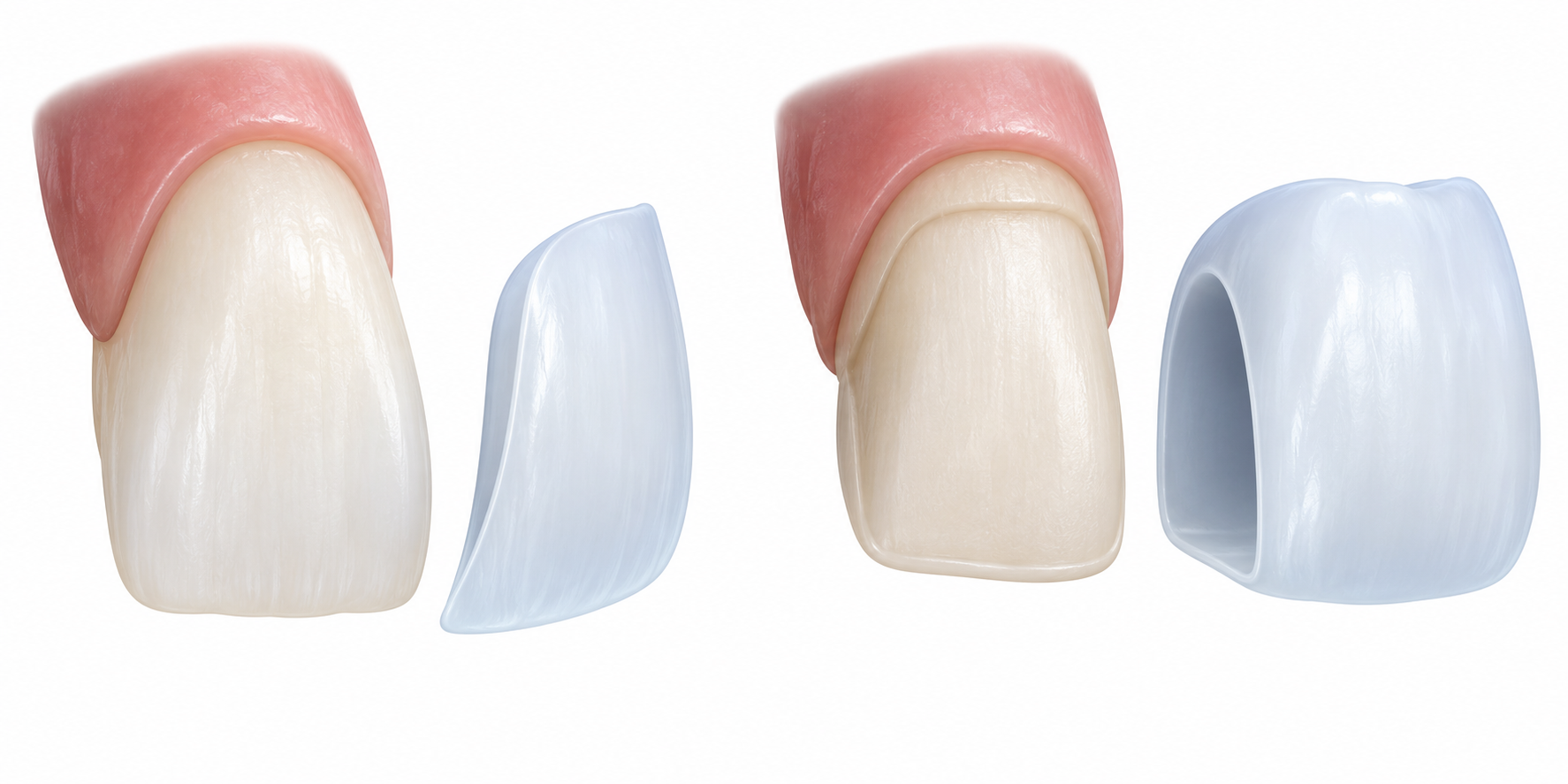
A bright smile does not tell you whether someone has veneers, crowns, bonding or a different treatment. A veneer covers the front surface of a tooth; a crown covers the remaining tooth more extensively. An implant is a different treatment used to support replacement teeth. These terms are not interchangeable, and a country name does not identify the procedure.
The BBC’s reporting on “Turkey teeth” describes the consequences when patients did not understand the difference between veneers and crowns. Those reported experiences are not a complication rate for all patients or all clinics. Their practical lesson is to check the actual treatment before consenting, rather than relying on the word “veneer” in an advertisement.
Crowns and veneers: the important distinction
When a crown may be considered
A crown is a custom-made cover for a tooth. It may be recommended for a damaged or weakened tooth, a large filling, a crack or a tooth that has had root canal treatment. The dentist shapes the tooth to make space, takes an impression or scan and checks the restoration before cementing it. Temporary protection may be needed between appointments.
The decision should be justified tooth by tooth. “A matching smile” is not enough information to explain why every healthy tooth needs full coverage. Ask what can be preserved and whether a smaller restoration, a different treatment or leaving a tooth untreated would address your concern. Once natural tooth structure is removed, it does not grow back.
What a veneer does — and does not do
A veneer is a thin porcelain or composite covering fixed to the front of a tooth. It can change colour or shape and may help with selected chips, small gaps or uneven-looking front teeth. Porcelain veneers commonly involve removing some enamel to create space, followed by checks of fit and colour before bonding. They are not automatically suitable for every tooth.
Ask whether any preparation is planned, where it will be and why. Do not assume that “minimal preparation” or “no-prep” means a guaranteed reversible treatment. Aesthetic preferences, existing restorations, tooth position and oral health need an individual assessment. You can read more about laminate veneers in Antalya before discussing the options.
A practical way to check a proposed smile plan
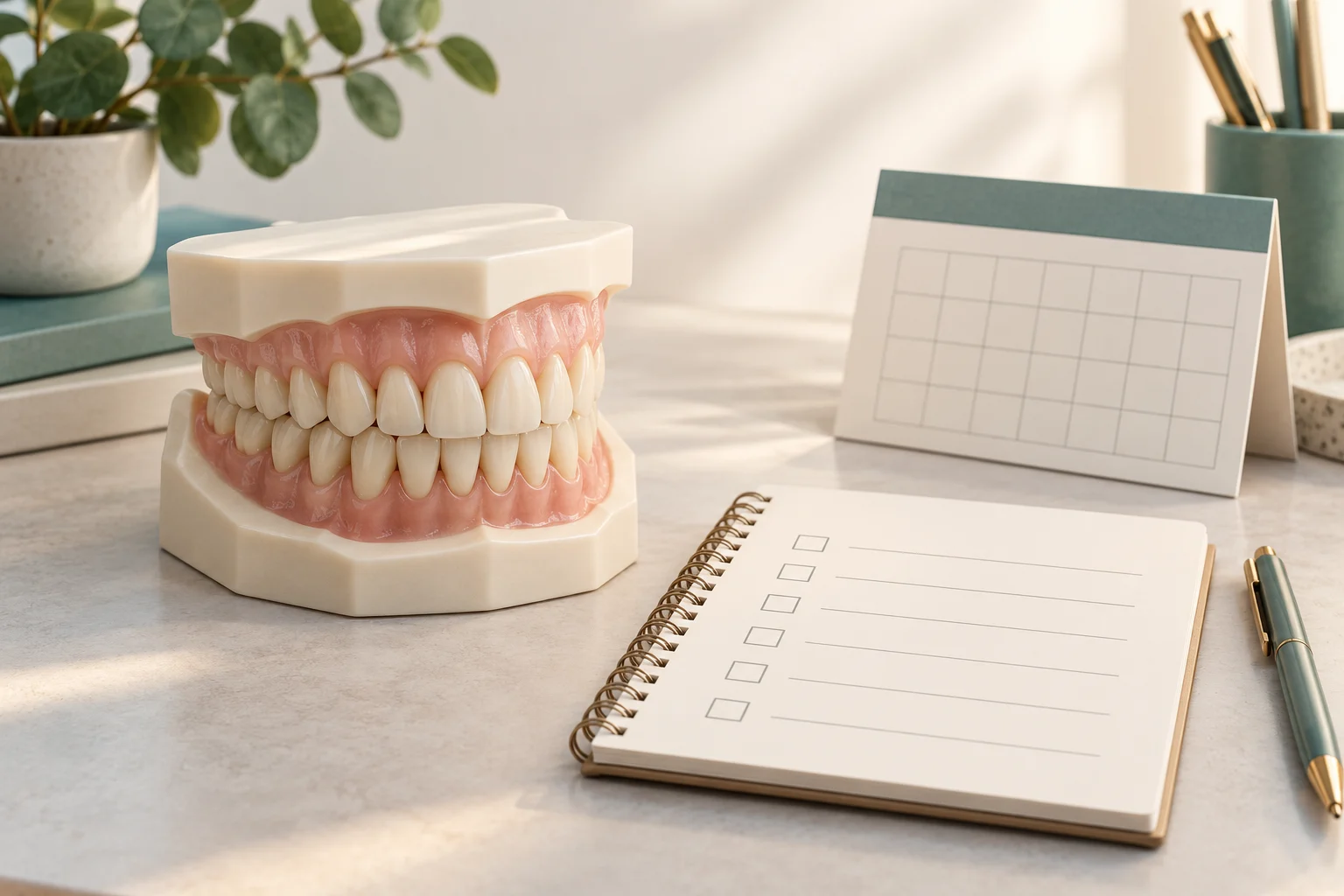
Use the following four questions as a conversation worksheet. They are questions to ask, not claims that any particular clinic already offers every item.
- Which tooth, and what problem? Ask for tooth numbers and the reason for treating each one. Separate a health problem from a request to change colour, shape or alignment.
- What are the options? Ask about the benefits, limitations and risks of the proposed treatment, the alternatives and choosing not to proceed.
- What changes permanently? Confirm whether tooth preparation, extraction or another irreversible step is proposed. Ask what future maintenance or replacement could involve.
- What would change the plan? Ask how the findings from an examination could alter an initial proposal based on photographs. Understand the revised plan and costs before consenting.
A sample enquiry could be: “Please list the treatment for each tooth and explain why a crown rather than a veneer or another option is proposed. Which findings still need to be checked in person?” This is more useful than asking only for the price of a fixed number of teeth.
Compare the whole treatment arrangement, not just a headline price
There is no single price for “Turkey teeth” because the phrase does not define a treatment. Ask for a written, itemised estimate based on a dental assessment. Check which procedures and visits are included, what would be charged separately and how a changed plan would be agreed. This guide does not quote an unverified Morsia fee or a saving percentage.
For treatment abroad, check who will treat you, their qualifications, the applicable registration and complaints arrangements, language support and insurance. Clarify who pays for remedial care, additional accommodation or travel if a return visit is needed. A warranty is not the same thing as accessible aftercare.

Can everything be finished in one holiday?
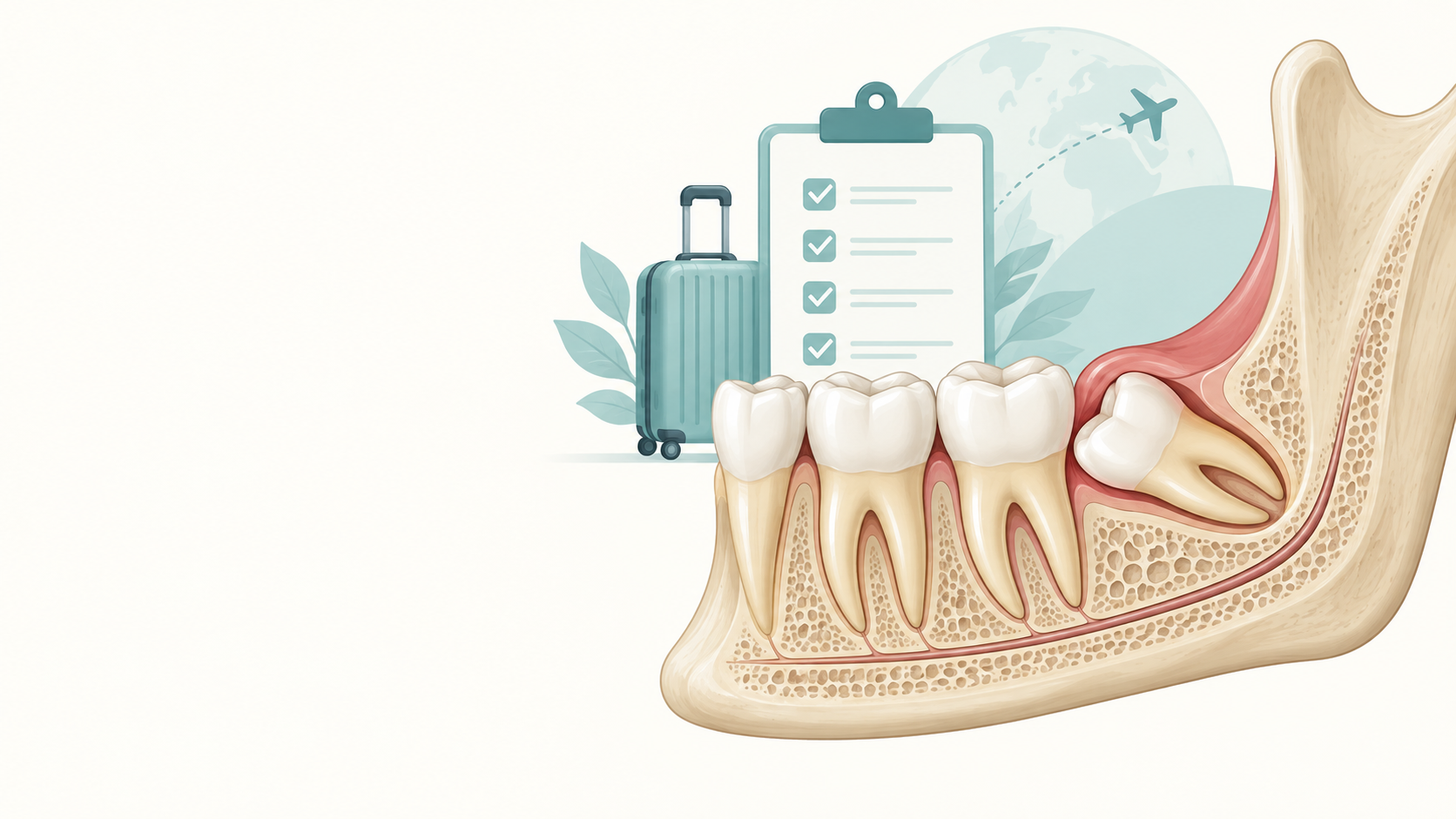
A travel package is not a clinical timetable. Crown or veneer appointments can involve preparation, laboratory work and fitting checks. Other procedures may introduce additional stages. Ask the dentist to explain the sequence, the criteria for moving to the next stage and what happens if treatment cannot be completed during the booked stay. Do not treat an advertised number of days as a guarantee.
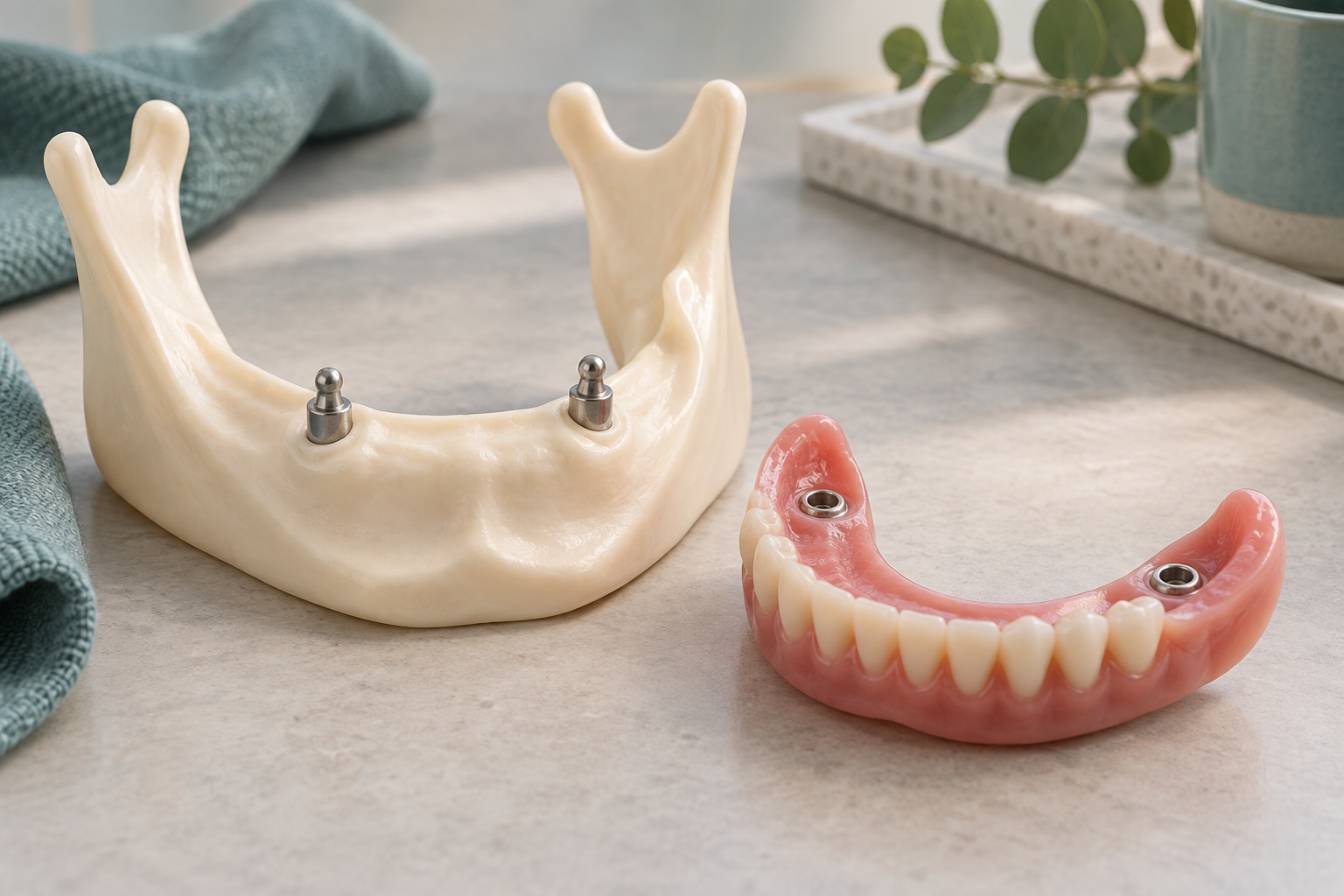
For missing teeth, dental implant assessment is a separate discussion. Do not confuse an implant-supported tooth with a crown placed over a natural tooth.
Arrange aftercare before leaving
Ask for written aftercare instructions and a contact route for concerns, including out-of-hours arrangements. Discuss your plans with your usual dentist and ask what records would help continuity of care. Keep the treatment plan, consent information, invoices and details of the restorations or implants supplied. Confirm follow-up and repair arrangements in writing rather than assuming another dentist will provide free corrective treatment.
When symptoms should not wait for a return flight
Severe or worsening pain, swelling, fever or a suspected dental abscess needs urgent dental assessment. Do not dismiss it as an inevitable part of cosmetic treatment. If you have difficulty breathing, speaking or swallowing, substantial mouth swelling, a swollen or painful eye or vision changes, seek emergency care immediately. In the UK, call 999 or attend A&E for these emergency symptoms; NHS 111 can help locate urgent dental care when you cannot reach a dentist. Elsewhere, use the local emergency service.
Questions people ask before booking
Does a very white smile mean crowns?
No. A photograph alone cannot identify the treatment, assess the bite or establish whether the teeth and gums are healthy. Ask for the names of the proposed procedures.
Can crowns or veneers last forever?
Neither should be presented as maintenance-free or guaranteed for life. Veneers can chip, crack or loosen; crowns also require care and dental reviews. Ask what maintenance and replacement would mean for your own teeth.
Is Turkey itself proof that treatment is safe or unsafe?
No. Assess the actual practitioner, diagnosis, consent, procedure and aftercare, while also checking the regulatory and complaint routes in the country where treatment takes place. Neither a low price nor a reassuring photograph resolves these questions.
What is a sensible next step?
Prepare your questions and request an assessment before committing to an irreversible change. You can contact Morsia Dental to discuss assessment arrangements. A contact enquiry is not a confirmed appointment or a completed treatment plan.