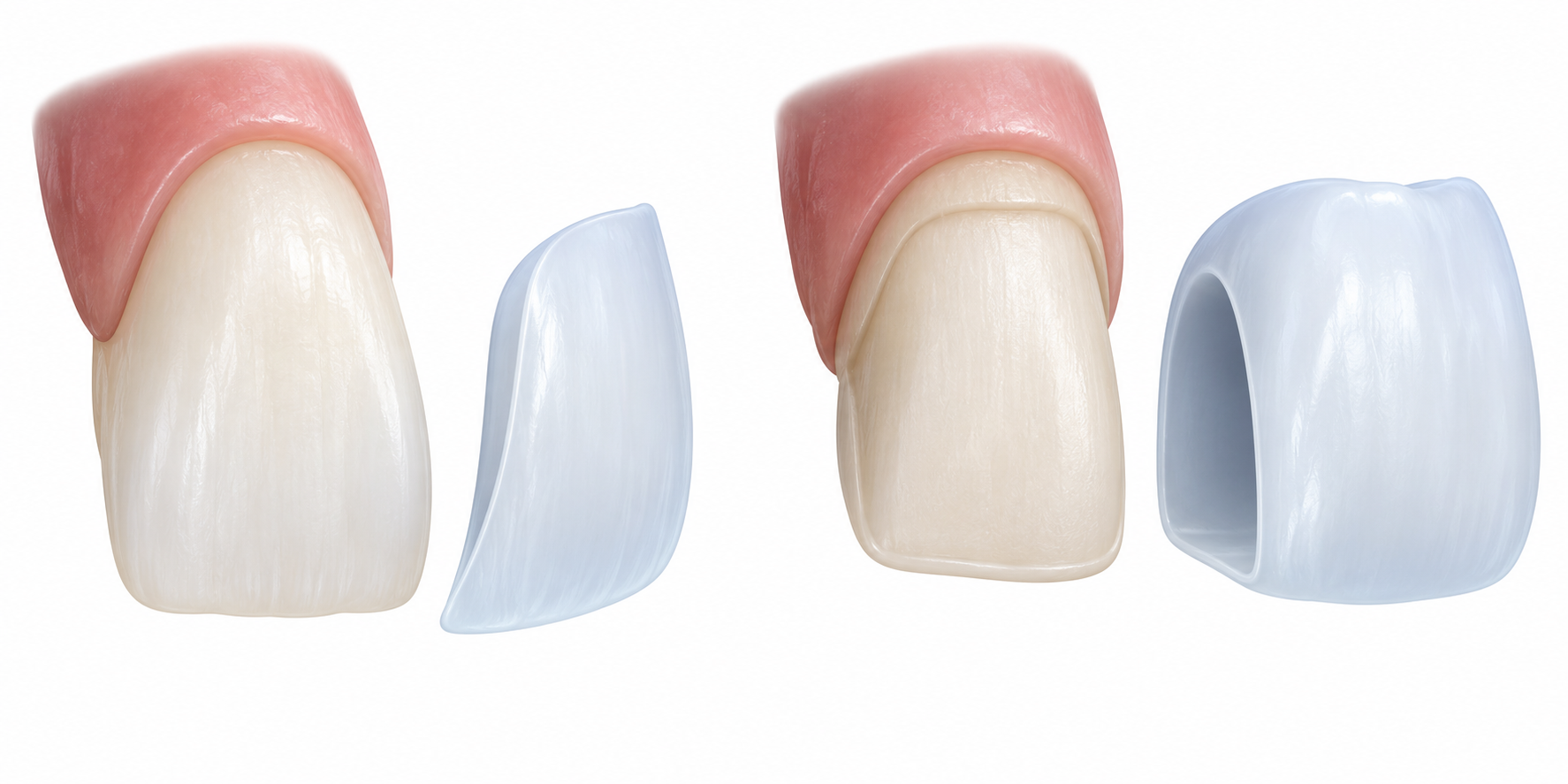
Short answer: A conventional removable denture, an implant-retained removable overdenture and an implant-supported fixed bridge can all replace a full arch of missing teeth, but they differ in what supports them, whether you can remove them yourself, the procedures involved and the care they need. “Permanent dentures” is not a precise treatment name. If you are considering treatment in Turkey, ask for the exact prosthesis type before comparing travel plans or quotes.
Three options that are often called “dentures”
1. Conventional removable denture
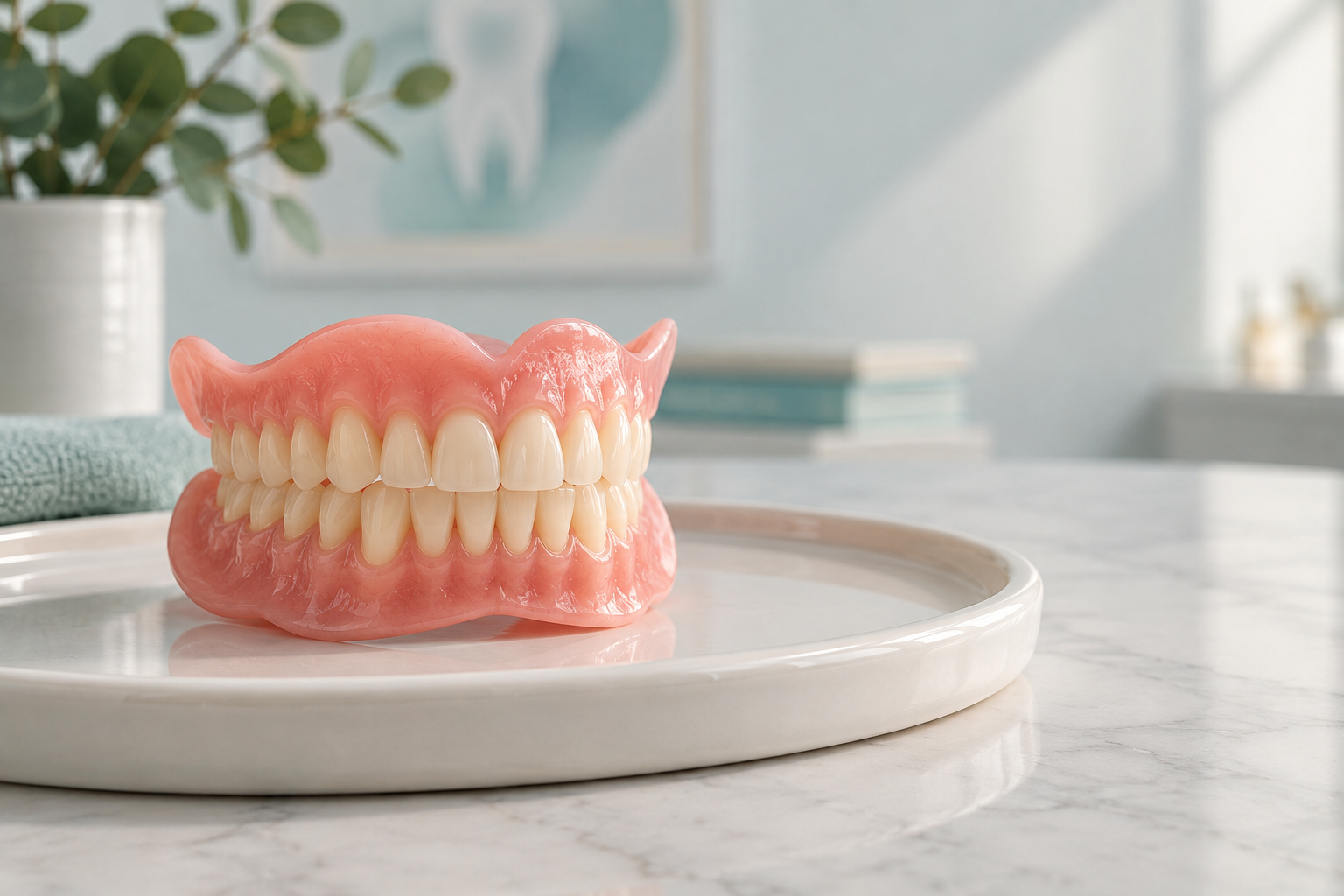
This prosthesis rests on the gums and is removed by the wearer for cleaning. It may replace all teeth in an arch or only some teeth. Fit can change as the mouth heals or changes over time, so adjustment or relining may be needed. A denture that rubs, rocks or repeatedly needs adhesive deserves a dental review rather than an improvised home repair.
2. Implant-retained removable overdenture
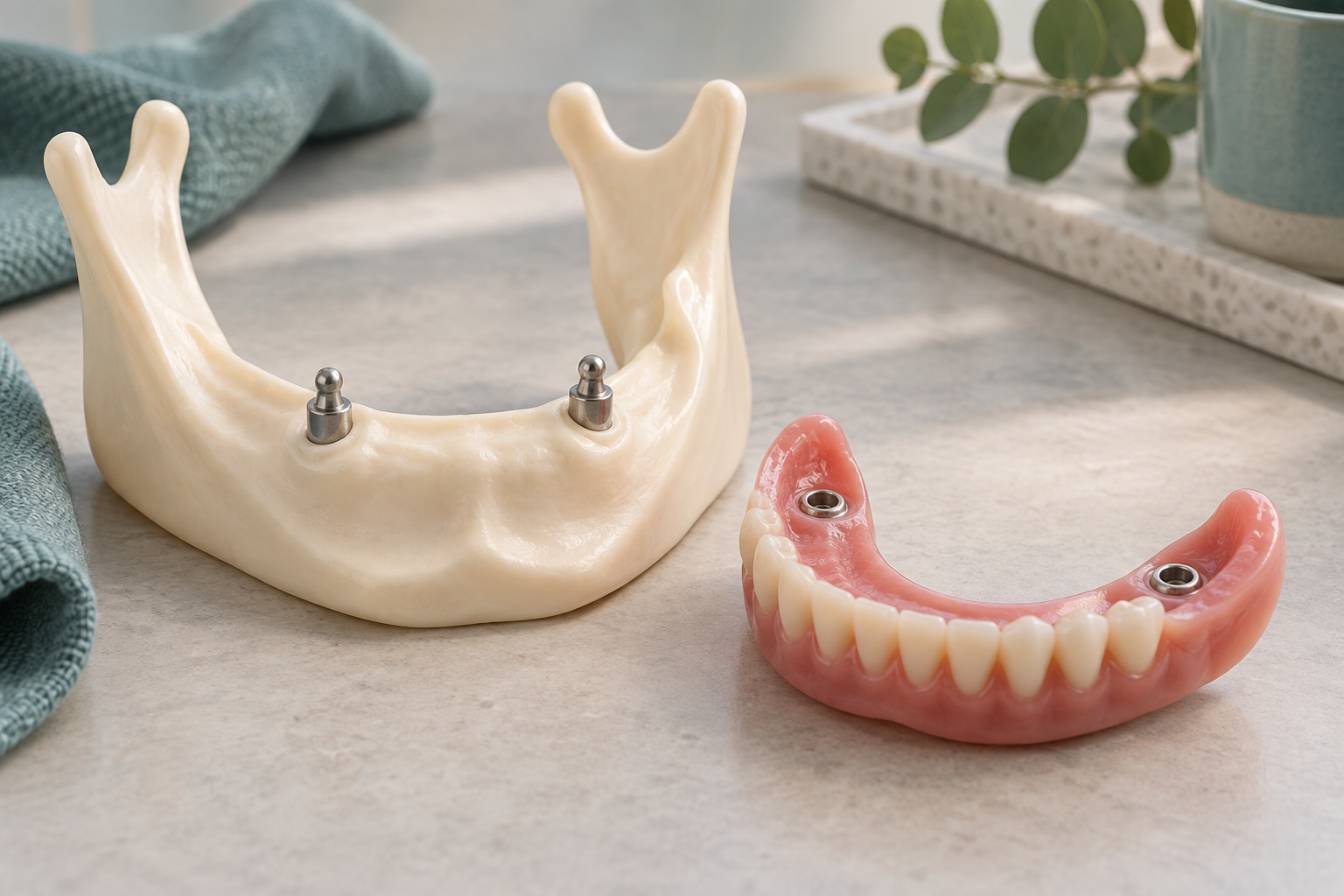
An overdenture can attach to dental implants for additional retention, but the wearer still removes it for the cleaning routine advised by the dental team. The implant fixtures, attachments, denture base and surrounding tissues each need maintenance. It is not the same as a fixed bridge, and the attachment components may need attention over time.
3. Implant-supported fixed full-arch bridge
A fixed bridge attaches to implants and is not taken out at home. The dentist plans how you will clean around and beneath it and when the restoration should be professionally assessed. A fixed prosthesis is not maintenance-free. Implant and gum health, available bone, medical history and the proposed design all affect whether it is an option.
Which option fits which priority?
- Keeping surgery out of the plan: A conventional removable denture does not require implant surgery, although its fit and support still need clinical assessment.
- Improving retention while keeping a removable appliance: An implant-retained overdenture may be discussed if examination and imaging show implants are appropriate.
- Not removing the teeth at home: A fixed full-arch bridge may be relevant, but it has different cleaning access, clinical steps and maintenance responsibilities.
These are discussion points, not a remote diagnosis. Existing teeth, gum health, bone volume, medication, smoking, dexterity and the opposing bite can change the recommendation. A dentist may recommend treatment of active disease before any final prosthesis is made. If implants are involved, healing and the final restoration plan may require more than one visit; a single advertised number of days cannot establish your personal schedule.
What to ask before booking travel to Turkey
- What is the exact treatment? Ask whether the proposed teeth are conventional removable, implant-retained removable or implant-supported fixed. Request the prosthesis material, attachment type and whether you can remove it yourself.
- What records are needed? Share your dental and medical history and any existing imaging securely. Ask which examination and imaging are needed in person before a final plan or quote is confirmed.
- Which stages need a visit? Clarify whether extractions, healing, implant placement, impressions or scans, try-in, fitting and adjustment are separate stages. Ask what happens if healing changes the plan.
- Who handles problems after you return? Get a written plan for soreness, a loose denture, broken components, adjustments, cleaning supplies and routine follow-up. Check whether a local dentist can access the relevant implant or attachment system if needed.
- What is included in a quote? Compare the exact restoration, any provisional appliance, imaging, laboratory work, adjustments and follow-up separately. Do not infer inclusion from a package headline.
Care after fitting: different appliances, different routines
Removable dentures should be cleaned regularly, along with the gums and any remaining teeth, using the method recommended for the appliance. If a denture stops fitting or causes persistent soreness, contact a dentist. Do not file it down or use household glue. With implant-retained appliances, also ask how to clean around the attachments and when worn components should be checked. For fixed full-arch restorations, the hygiene plan must include access beneath the prosthesis and professional maintenance of the implants and surrounding tissues.
Normal care is not a guarantee that a denture or implant will last a set number of years. Contact a dentist promptly for persistent pain, swelling, bleeding, a new loose implant component, a broken appliance or a bite that suddenly feels different. The right next step depends on the cause, which cannot be diagnosed from a photograph alone.
How this differs from an All-on-4 or All-on-6 discussion
“All-on-4” and “All-on-6” describe implant-based full-arch concepts, not conventional removable dentures. The number of implants alone does not tell you whether the final teeth are removable by you, how they will be cleaned or whether the plan suits your anatomy. For the separate implant-position question, read our All-on-4 vs All-on-6 guide. Our dental implants overview explains the broader implant assessment. This page is about the prosthetic choice and the practical responsibilities that follow it.
Questions for your consultation
- Which parts of my current teeth and gums can be preserved, and what must be treated first?
- Can I remove the proposed appliance myself? If not, how will I clean beneath it?
- What could change the plan after examination or imaging?
- Will I need a temporary appliance, a try-in or a later adjustment visit?
- Who will check the appliance and any implants after I return home?
- If a component needs repair, what records and system details should my local dentist have?
Dr. Dt. Aykut Önol is listed by Morsia Dental as a prosthetics specialist. To discuss which options are relevant to your mouth, request an individual assessment through the Morsia Dental contact page. A consultation is a starting point for examination, not a promise of a specific procedure, travel duration or result.
Sources and further reading
- American Dental Association: Dentures — conventional dentures, overdentures, adjustment and home care.
- American Dental Association: Implants — assessment, implant stages and replacement teeth.
- American College of Prosthodontists: Maintenance of full-arch implant restorations — fixed-prosthesis follow-up and hygiene.