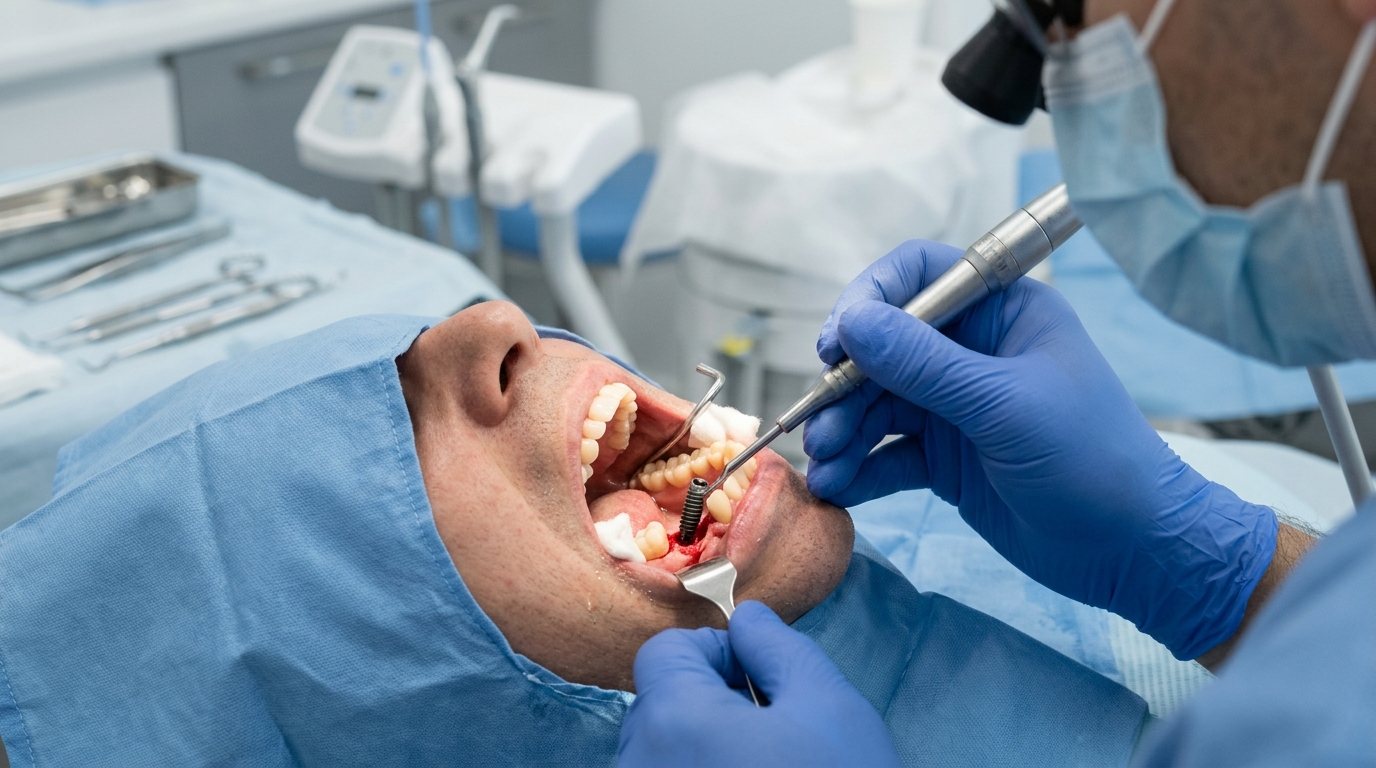
Gum disease is the most underestimated dental problem. It progresses silently — no pain in the early stages, no visible change — until it reaches a point where bone loss is irreversible and teeth become mobile. At Morsia we treat periodontitis and gingivitis as the serious conditions they are, and we treat them properly rather than palliatively.
What Is the Difference Between Gingivitis and Periodontitis?
Both conditions involve bacterial infection of the gum tissues, but they differ significantly in severity and reversibility.
Gingivitis is inflammation of the gums caused by bacterial plaque accumulation. Gums bleed when brushed, appear red or swollen, and may be tender. Crucially, gingivitis is fully reversible with professional cleaning and improved home care. No permanent damage occurs.
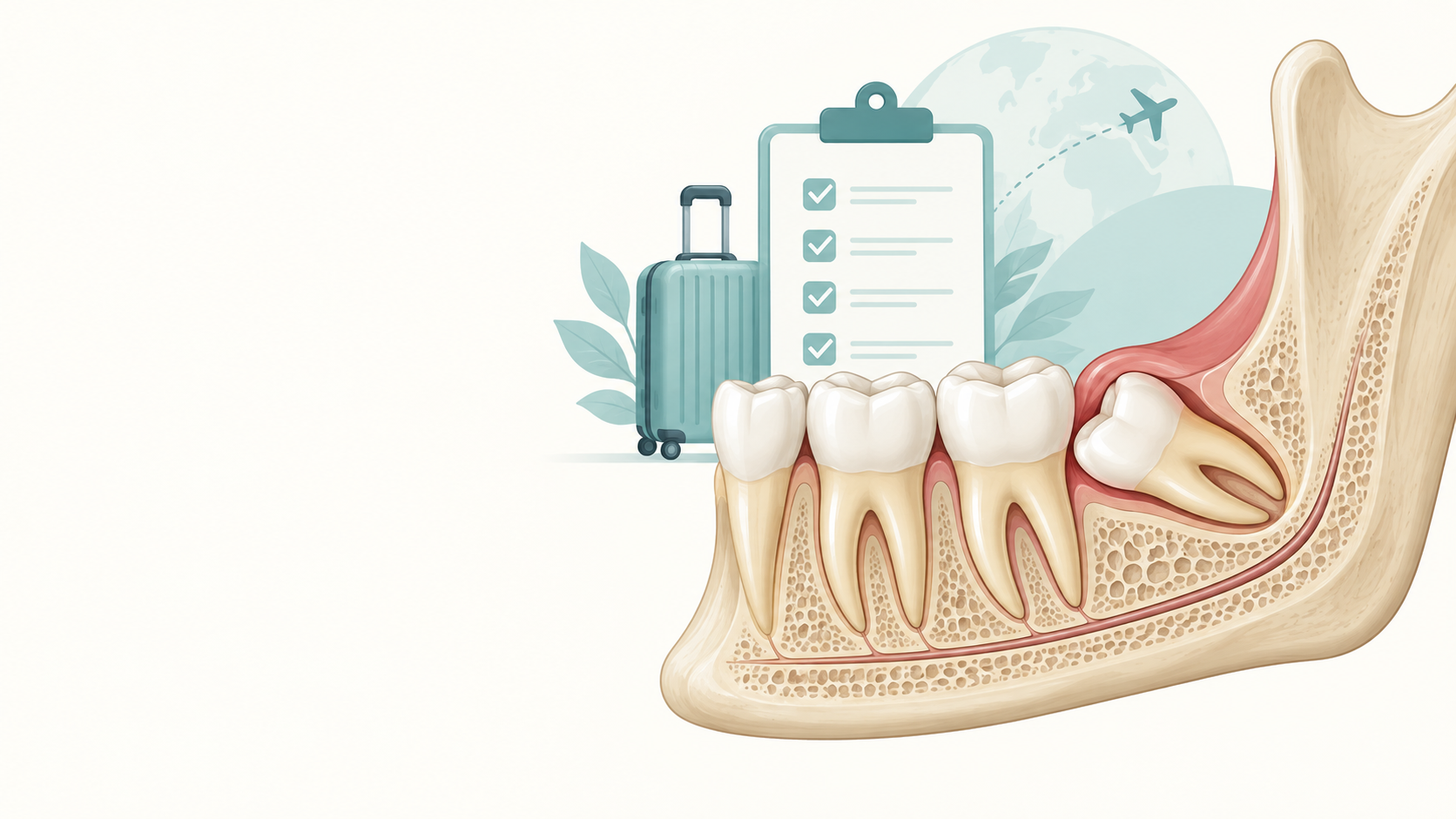
Periodontitis is the progression of untreated gingivitis into the supporting structures of the tooth — the periodontal ligament and alveolar bone. Pockets form between the tooth and gum where bacteria accumulate beyond the reach of a toothbrush. Bone resorption occurs. This process is not reversible, but it is arrestable. Treated promptly, periodontal disease can be stabilised and teeth preserved for many years.
At Morsia we see patients who have been told “your gums need treatment” by their home dentist but faced a waiting list of months or costs of thousands. Arriving with untreated periodontitis is not uncommon. The earlier we intervene, the better the outcome.
What Gum Treatment Options Are Available?
Professional Scaling and Root Planing (Deep Cleaning)
The first-line treatment for periodontitis. Using ultrasonic scalers and hand instruments, our periodontist removes calculus (tartar) and bacterial biofilm from beneath the gumline, then smooths the root surface to make reattachment easier. Typically done in quadrants under local anaesthesia over one or two appointments.
This is not a simple polish. Deep cleaning reaches 4–7mm below the gumline and requires time, precision and skill. At Morsia, the scope of a full-mouth deep clean is set individually after a clinical assessment — the number of quadrants involved and the depth of the pockets shape the plan.
Periodontal Surgery
When pocket depths exceed 5–6mm and deep cleaning alone cannot fully debride the area, surgical access is required. Flap surgery involves making small incisions to reflect the gum, clean the root thoroughly under direct vision, and reposition the tissue. This reaches areas impossible to treat without surgical access.
At Morsia, periodontal surgery is performed by our specialist periodontist. The plan is assessed individually per quadrant, shaped by the extent of the disease and whether grafting is needed.
Gum Grafting
When gum recession exposes root surfaces — causing sensitivity, aesthetic concern, or risk of root decay — gum grafting restores tissue. We use connective tissue grafts (from the palate) or, where appropriate, processed human donor tissue. Gum grafts also protect implants and teeth adjacent to areas of bone loss.
Bone Regeneration
In selected cases of angular bone defects, guided tissue regeneration (GTR) with barrier membranes and bone substitutes can stimulate bone regrowth around affected teeth. This is specialist work, assessed case by case, and not appropriate for all patients.
The Morsia Periodontal Approach
At Morsia we see periodontal disease as a systemic issue, not just a local dental problem. Our assessment includes:
- Full periodontal charting (pocket depths, bleeding on probing, recession, mobility)
- CBCT or panoramic X-ray to assess bone levels
- Review of systemic risk factors: diabetes, smoking, medications that cause gingival overgrowth
- Assessment of occlusion (bite) as a contributing factor to localised bone loss
Treatment without a proper chart is guesswork. We chart before we start.
Patients from Germany often ask: “My dentist said I need deep cleaning but it’s not urgent. Should I wait?” The honest answer: periodontitis is never truly “not urgent.” Bone loss is cumulative and irreversible. Each month of active disease means slightly less supporting structure. Treating it now costs less, saves more bone, and preserves more teeth than treating it later.
How Does Gum Treatment Relate to Dental Implants?
Active periodontal disease is a contraindication to dental implant placement. Patients arriving at Morsia for implants with untreated gum disease are treated for the gum disease first, allowed to heal and stabilise, and then reassessed for implant candidacy. This is not a delay tactic — it’s the standard of care. Implants placed into a mouth with active periodontitis fail at significantly higher rates.
Peri-implantitis — gum disease around implants — is also treated at Morsia. This requires specialised instrumentation and technique distinct from natural tooth periodontitis treatment.
What Should You Expect During Gum Treatment?
Deep cleaning under local anaesthesia is not painful during the procedure. Expect mild sensitivity and gum soreness for 3–5 days after each quadrant. Ibuprofen manages this well. You may notice gums appearing to “recede” slightly after treatment — in reality, the tissue was swollen and inflamed; it’s now returning to its healthy, firmer position.
Response to treatment is assessed at a review appointment 6–8 weeks after deep cleaning. Some patients achieve full pocket resolution; others need maintenance appointments every 3 months to keep bacterial levels controlled. We advise honestly based on what we see at review.
How Much Does Gum Treatment Cost in Antalya vs Europe?
A full-mouth periodontal assessment, charting and deep cleaning at Morsia is planned individually according to disease severity. The number of quadrants involved, pocket depth, how many sessions the cleaning needs and whether any additional procedure follows all shape the treatment plan. This is why the plan is set after the clinical examination and charting are complete, rather than beforehand.
Antalya-based treatment allows patients to access specialist periodontology — proper treatment, not just a scale and polish — at a cost that makes treatment viable rather than deferred.
Ready for your new smile? Contact Morsia Dental to arrange a consultation.
Frequently Asked Questions
How do I know if I have gum disease?
Bleeding gums when brushing or flossing is the most common early sign. Bad breath that doesn’t resolve with brushing, gums that appear darker red or swollen, or teeth that seem longer (gum recession) are also indicators. Periodontal disease in later stages can cause tooth mobility. Only a clinical examination with probing and X-rays gives a definitive assessment.
Can gum disease be cured?
Gingivitis is fully reversible. Periodontitis — once bone is lost — cannot regenerate the lost bone (except in limited cases with regenerative surgery). However, disease progression can be fully arrested with treatment and maintenance. Treated periodontitis is a controlled condition, not an active destructive process.
Does gum treatment hurt?
Not during treatment with proper anaesthesia. The day or two after deep cleaning involves gum soreness and sometimes sensitivity. Most patients manage well with over-the-counter pain relief and find the discomfort short-lived.
How long does gum treatment take in Antalya?
For gingivitis or mild periodontitis, a single full-mouth deep cleaning session (2–3 hours) may suffice. Moderate to severe cases typically involve 2–4 appointments over a 5–7 day stay. Surgical treatment, if required, adds further appointments.
Is there a connection between gum disease and general health?
Yes, and it’s significant. Periodontitis is associated with increased cardiovascular risk, poorer blood sugar control in diabetics, and adverse pregnancy outcomes. Treating gum disease is not purely cosmetic or dental — it matters for whole-body health.
Will my gums look normal after treatment?
In most cases, yes — treated gums become pink, firm, and no longer bleed on brushing. If significant recession has occurred, the gumline may sit lower than it did before disease, but the tissue will be healthy and stable.
Book your consultation at Morsia Dental Antalya. Send us your recent dental X-rays and describe your symptoms — we’ll assess whether you need periodontal treatment and what type, before you travel.
İlgili İçerikler
References
The clinical information in this article was cross-checked against the peer-reviewed publications listed below.
- Kinane DF et al. Periodontal diseases. Nat Rev Dis Primers, 2017. PMID: 28805207
- Sanz M et al. Periodontitis and cardiovascular diseases: Consensus report. J Clin Periodontol, 2020. PMID: 32011025
- Haas AN et al. New tendencies in non-surgical periodontal therapy. Braz Oral Res, 2021. PMID: 34586209
This content is for general information only and does not replace an in-person examination, diagnosis or treatment. Please consult a dentist about your own situation.