
Every year, thousands of British patients fly abroad for dental treatment — and the numbers keep climbing. NHS waiting lists that stretch for months, sky-high private fees, and the option of managing the overall cost of major procedures have turned dental tourism into a practical choice rather than a last resort.
But booking dental treatment abroad isn’t quite like booking a holiday. You need to research clinics, understand what’s realistic, and plan your trip so nothing falls through the cracks. This guide walks you through the entire process, from choosing a country to handling aftercare once you’re back in the UK.
Why More UK Patients Are Getting Dental Work Abroad
The reasons are straightforward. A single dental implant on the NHS can mean a 12–18 month wait — if you’re even eligible. Go private in London, and you’re looking at a considerably higher cost per implant. The same procedure at a reputable clinic in Turkey? Typically a more affordable cost, determined individually after assessment, including the abutment and crown.
It’s not just about price, though. Many overseas clinics have invested heavily in technology that smaller UK practices simply can’t justify. Panoramic X-rays, 3D CT scanning, CAD/CAM milling, and digital smile design are standard at top Turkish clinics — not premium add-ons.
There’s also the recovery factor. Spending a few days recovering in warm sunshine near the Mediterranean beats sitting at home in February rain. Patients who’ve done it once tend to come back for follow-up work, and they bring friends.
Best Countries for Dental Treatment — How Turkey Compares
Several countries compete for UK dental patients: Hungary, Thailand, Mexico, Poland, and Turkey are the most popular. Each has strengths, but Turkey — particularly Antalya — has pulled ahead for British patients in recent years. Here’s how they stack up.
Turkey vs Hungary
Hungary was the original dental tourism hotspot for Europeans. Budapest clinics are well-established and quality is generally solid. But prices have crept up over the past five years as demand grew and the Hungarian forint weakened. Turkey remains a strong alternative to other destinations while offering a warmer climate and shorter recovery environment. Flight times from London are similar — around 3.5–4 hours.
Turkey vs Thailand
Thailand offers excellent dental care in Bangkok and Phuket, often at very competitive prices. The catch? It’s a 12-hour flight from the UK. That means more jet lag, higher flight costs, and a much harder time scheduling follow-up appointments. For UK patients who need two-visit procedures like implants, the logistics become complicated. Turkey wins on proximity and convenience.
Turkey vs Mexico
Mexico is a top choice for American patients — clinics in Tijuana and Los Algodones are right across the US border. For UK patients, though, Mexico means a 10+ hour flight and a significant time zone difference. Turkey’s closer location, direct flights from most UK airports, and English-speaking clinical staff make it the more practical option for Britons.
How to Plan Your Dental Trip Abroad — Step by Step
Planning dental treatment abroad takes more thought than booking a regular holiday. Get these steps right and you’ll avoid the most common mistakes first-timers make.
Research and Shortlist Clinics
Start with independent review platforms — not just the clinic’s own website. Trustpilot, Google Reviews, and WhatClinic give you unfiltered patient feedback. Look for clinics with consistent 4.5+ star ratings over hundreds of reviews, not just a handful of perfect scores.
Check credentials: Is the clinic accredited by the Turkish Ministry of Health? Do the dentists have international training or memberships (ITI, ICOI, EAO)? Are before-and-after photos clearly from real patients — not stock images?
Request an Online Consultation
Any decent clinic will offer a online consultation before you commit. Send your dental X-rays or panoramic images (your UK dentist can provide these) and you’ll get a preliminary treatment plan with pricing. This stage is straightforward and tells you a lot about how the clinic communicates.
Red flags at this stage: clinics that quote a price without seeing any images, pressure you to book immediately, or won’t answer specific questions about materials and brands.
Book Flights and Accommodation
Direct flights from London to Antalya run year-round — budget airlines often offer convenient return fares. Many clinics include hotel accommodation in their packages, but if you’re booking separately, choose somewhere close to the clinic. A 5-minute transfer beats a 40-minute taxi when your mouth is still numb.
Prepare for Your Treatment
Before you fly, gather your full dental records and recent X-rays. If you take blood-thinning medication, discuss this with both your UK doctor and the overseas clinic. Stop smoking at least two weeks before implant surgery — it genuinely affects healing.
Pack comfortable clothes, any prescribed medications, and a phone charger. The clinic will handle the rest.
What to Ask Your Clinic Before You Go
Don’t be shy about asking detailed questions. A trustworthy clinic will answer all of these without hesitation:
- What implant brand do you use? Look for internationally recognised brands like Straumann, Nobel Biocare, or Osstem — not unbranded alternatives.
- Who performs the surgery? You want to know the surgeon’s name, qualifications, and years of experience.
- What’s included in the price? Consultation, X-rays, surgery, temporary crown, hotel, transfers — get a line-by-line breakdown.
- What happens if something goes wrong? Ask about their guarantee policy, revision procedures, and how they handle complications after you’ve returned home.
- Can I see verified before-and-after photos? Real patient results — ideally with case details — are the best indicator of quality.
Risks of Dental Tourism — And How to Avoid Them
Let’s be honest: dental tourism carries risks. But most of those risks come from poor research, not from the concept itself. Here’s what to watch for.
The biggest risk is choosing a clinic based on price alone. The cheapest option is almost never the best. Clinics offering implants at suspiciously low prices are cutting corners somewhere — materials, sterilisation, or the surgeon’s experience. Middle-of-the-range pricing at a well-reviewed clinic is your safest bet.
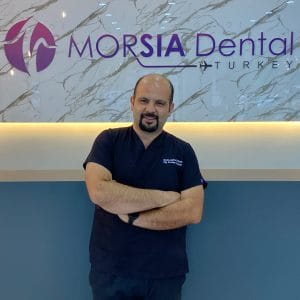
Communication gaps can cause problems too. Make sure the clinic has English-speaking staff — not just a translator who’s available “sometimes.” At Morsia Dental in Antalya, the entire patient coordination team speaks fluent English, which eliminates misunderstandings about treatment plans and aftercare instructions.
Finally, rushing treatment is risky. Some procedures — especially full-mouth restorations — genuinely need two visits spaced weeks apart. A clinic that promises to do everything in three days might be compressing steps that shouldn’t be compressed.
What Happens If Something Goes Wrong After You Return?
This is the question that worries people most — and it’s a fair concern. Good clinics build aftercare into their model. At Morsia Dental, patients receive a direct WhatsApp line to their treating dentist. If you notice swelling, sensitivity, or anything unusual after returning to the UK, you send a photo and get clinical advice within hours.
Ask how follow-up is handled before you travel: which check-ups are planned, over what period they are spaced, and who you contact if something needs reviewing once you are back home. Some clinics also partner with dental practices in the UK for local check-ups.
The practical reality? Complication rates at accredited Turkish clinics are comparable to UK rates. The difference is that the original treatment was completed at a clinic abroad.
Dental Treatment Abroad — Cost Considerations for UK Patients
Costs depend on the specific treatment, the materials used and each patient’s clinical needs. The treatments patients most often plan for include:
| Treatment | Pricing |
|---|---|
| Single dental implant | Personalised after clinical assessment |
| All-on-4 full arch | Personalised after clinical assessment |
| Zirconia crown | Personalised after clinical assessment |
| Porcelain veneers (per tooth) | Personalised after clinical assessment |
| Hollywood Smile (20 veneers) | Personalised after clinical assessment |
When planning treatment abroad, patients also consider flights and accommodation (often included in treatment packages). The total cost depends on the chosen treatment and is determined individually after a clinical assessment. For major work like full-mouth implants or a smile makeover, a personalised treatment plan is prepared after examination.
FAQ — Dental Treatment Abroad
Which country is best for dental treatment abroad?
Turkey ranks as the top destination for UK dental patients in 2026, combining modern clinics, short flight times (3.5 hours from London), and English-speaking staff. Antalya and Istanbul are the most popular cities, with Antalya offering the added benefit of a seaside recovery environment.
How much can I save by getting dental work done abroad?
The total cost depends on the treatment, the materials used and your individual clinical needs. Treatment abroad can be more cost-effective than private care in the UK, but exact figures are determined only after a clinical assessment. Contact the clinic for a personalised plan.
What happens if I need follow-up treatment after returning to the UK?
Reputable clinics provide remote aftercare via WhatsApp or video call. If you need hands-on treatment, most clinics guarantee their work for 5–10 years and will cover revision treatment including flights in some cases. Some also partner with UK-based dentists for local check-ups.
Is dental treatment abroad covered by UK insurance?
Standard NHS or UK private dental insurance typically does not cover treatment abroad. However, some travel insurance policies may cover emergency dental work. Check with your insurer before travelling.
How do I know if a dental clinic abroad is safe and accredited?
Look for Turkish Ministry of Health accreditation, ISO certification, and international dental memberships (ITI, ICOI). Check independent reviews on Trustpilot and Google — prioritise clinics with 4.5+ ratings over hundreds of reviews. Ask for the treating dentist’s qualifications and request before-and-after photos from real patients.
References
The clinical information in this article was cross-checked against the peer-reviewed publications listed below.
- Halsey ES et al. Medical Tourism. , 2025. PMID: 41818526
- Potin M et al. Injuries and medical emergencies among international travellers. J Travel Med, 2024. PMID: 37405992
- Gambhir RS et al. Dental public health in India: An insight. J Family Med Prim Care, 2016. PMID: 28348984
This content is for general information only and does not replace an in-person examination, diagnosis or treatment. Please consult a dentist about your own situation.